
Cleaning Guides That Say What Actually Works
Methods ordered gentlest first, each one checked against what the surface can take and each one honest about what it cannot do. Twenty-nine guides, covering the kitchen, the bathroom, the laundry room and the four appliances that cause most of the trouble.
Start with these three
In this order. Between them they cover the sequence, the surfaces and the machine that quietly makes everything else harder when it is dirty.
- How to Deep Clean Your Kitchen: Full Sequence
Order of operations for a whole room, so you are never cleaning the same surface twice.
- The Complete Laundry Guide
Fabric care symbols, water temperature, and what actually damages clothes rather than what is simply believed to.
- How to Clean a Dishwasher
Filter, spray arms and door seal, following the manufacturer service intervals rather than a guess.
The kitchen, the bathroom, the laundry room
Three rooms account for almost every cleaning question we get, and each one has its own failure mode: grease in the kitchen, mineral deposit and mold in the bathroom, and a machine quietly getting dirtier in the laundry room.
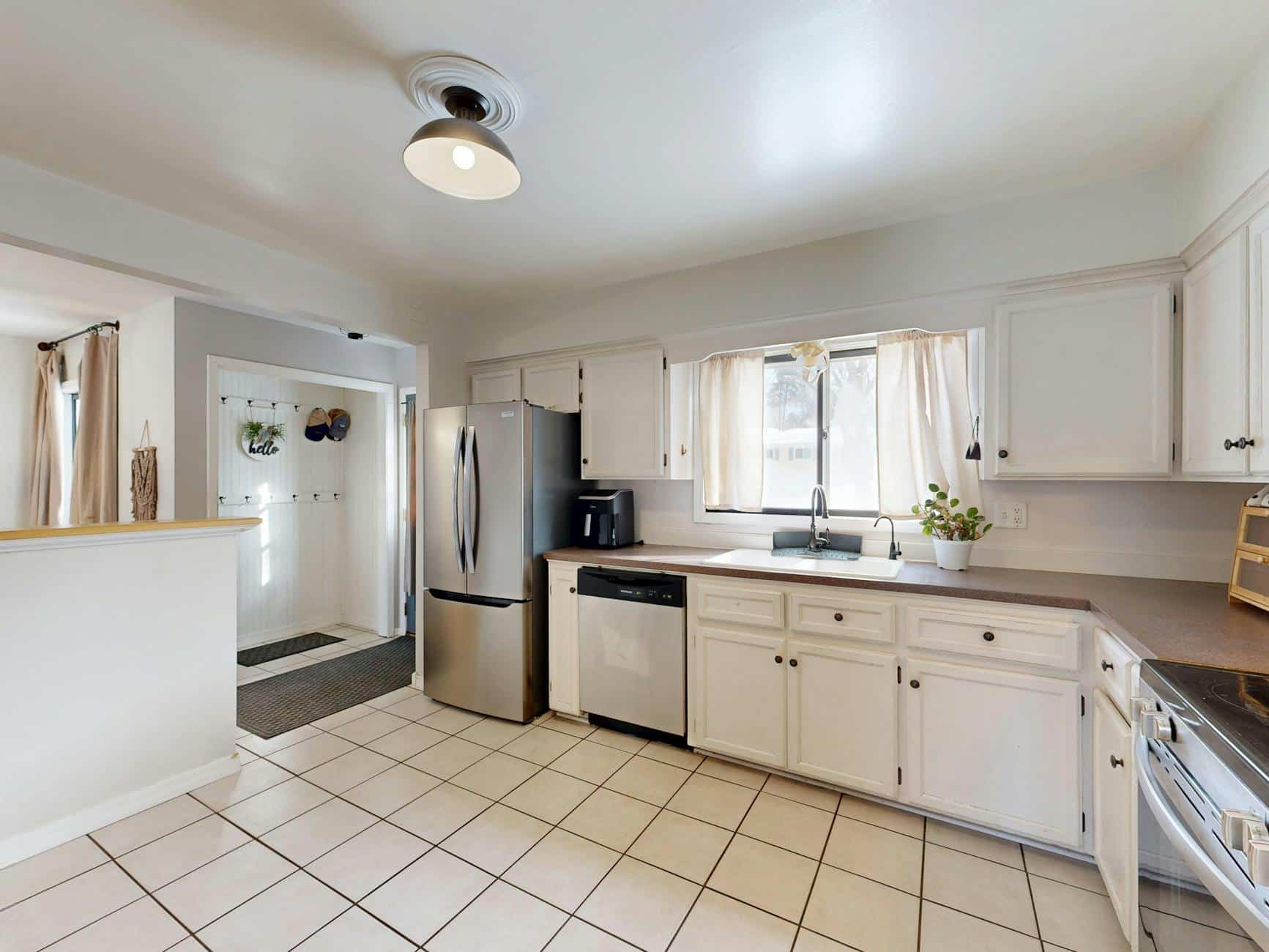
Deep Clean Your Kitchen
The whole room as one sequence: what to do first, and what waiting does for you.
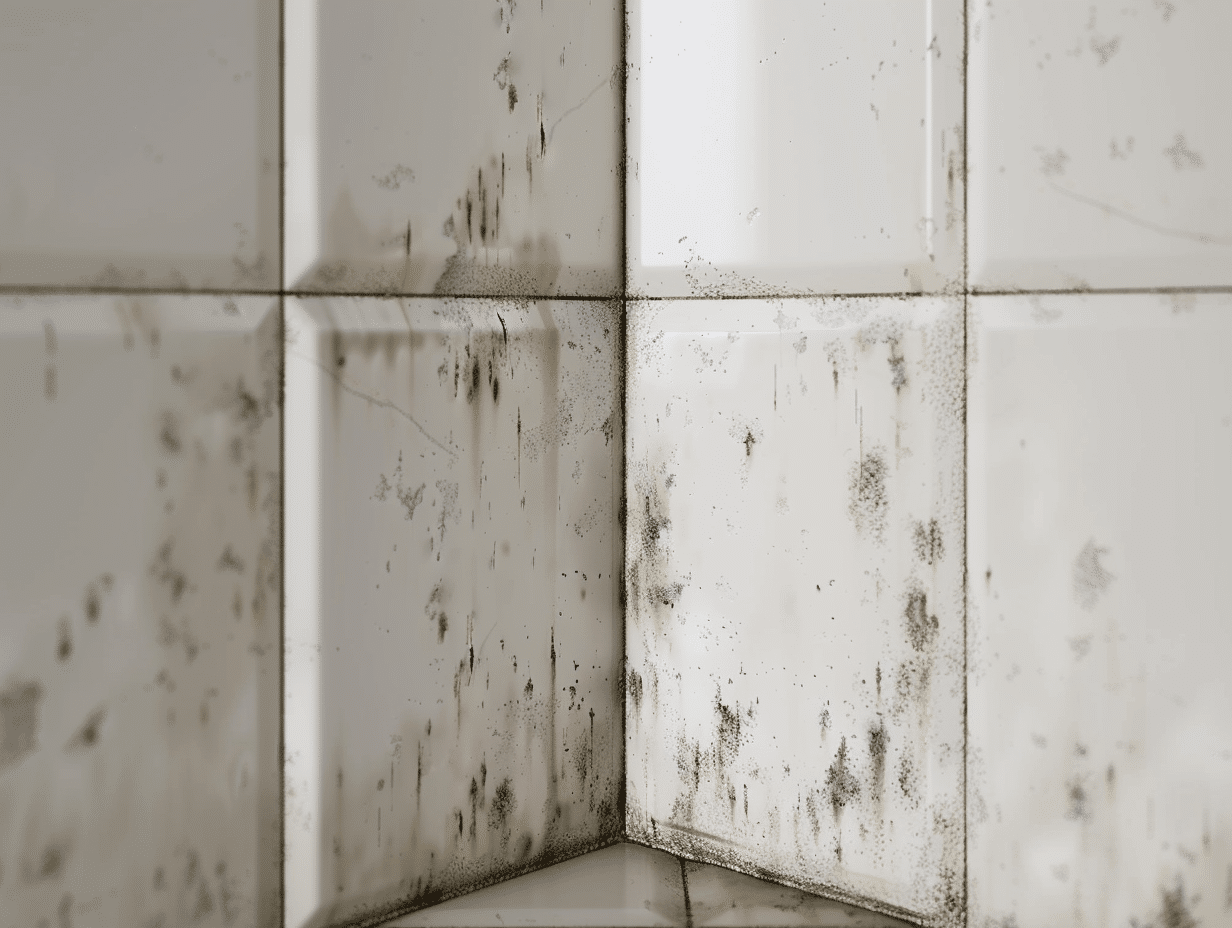
Clean Mold in the Bathroom
What is safe to handle yourself, and the area threshold where the EPA says call a professional.

The Complete Laundry Guide
Care symbols, temperature and detergent dose, and the habits that shorten a garment's life.
Grease, drains and the things that hold food
A kitchen gets dirty in a specific order, and cleaning it in that same order is most of the work. These six cover the room, the two drains and the two appliances that carry the smell.
- How to Deep Clean Your Kitchen: Full Sequence
- How to Clean a Dishwasher (Filter, Spray Arms and Seals)
- How to Clean a Garbage Disposal (5 Quick Methods)
- How to Clean a Kitchen Sink Drain Perfectly
- How to Clean a Range Hood Filter (Degrease in Minutes)
- How to Clean a Self-Cleaning Oven Manually
Cooking with the appliance, rather than cleaning it? The Kitchen hub ›
Mold, mineral deposit and the drain
Bathroom problems look alike and need opposite treatments. A limescale mark and an etched surface are the classic pair: one wipes off with acid, the other is permanent damage that acid made worse. Every guide here starts by telling you which one you have.

Clean Shower Glass Doors
Water spots and soap scum are two different deposits. Treating them as one is why the glass stays cloudy.
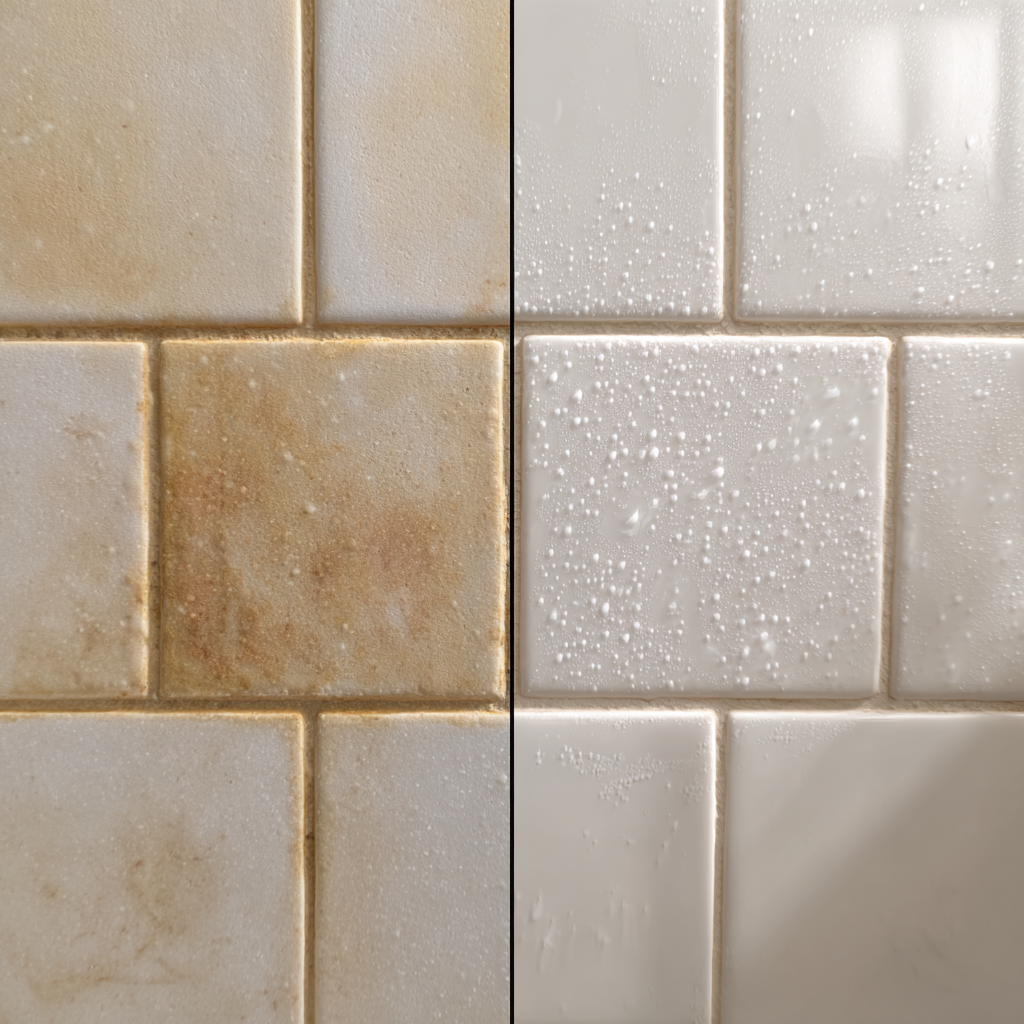
Best Ways to Clean Shower Grout
Five methods, gentlest first, and the point at which grout needs replacing rather than cleaning.
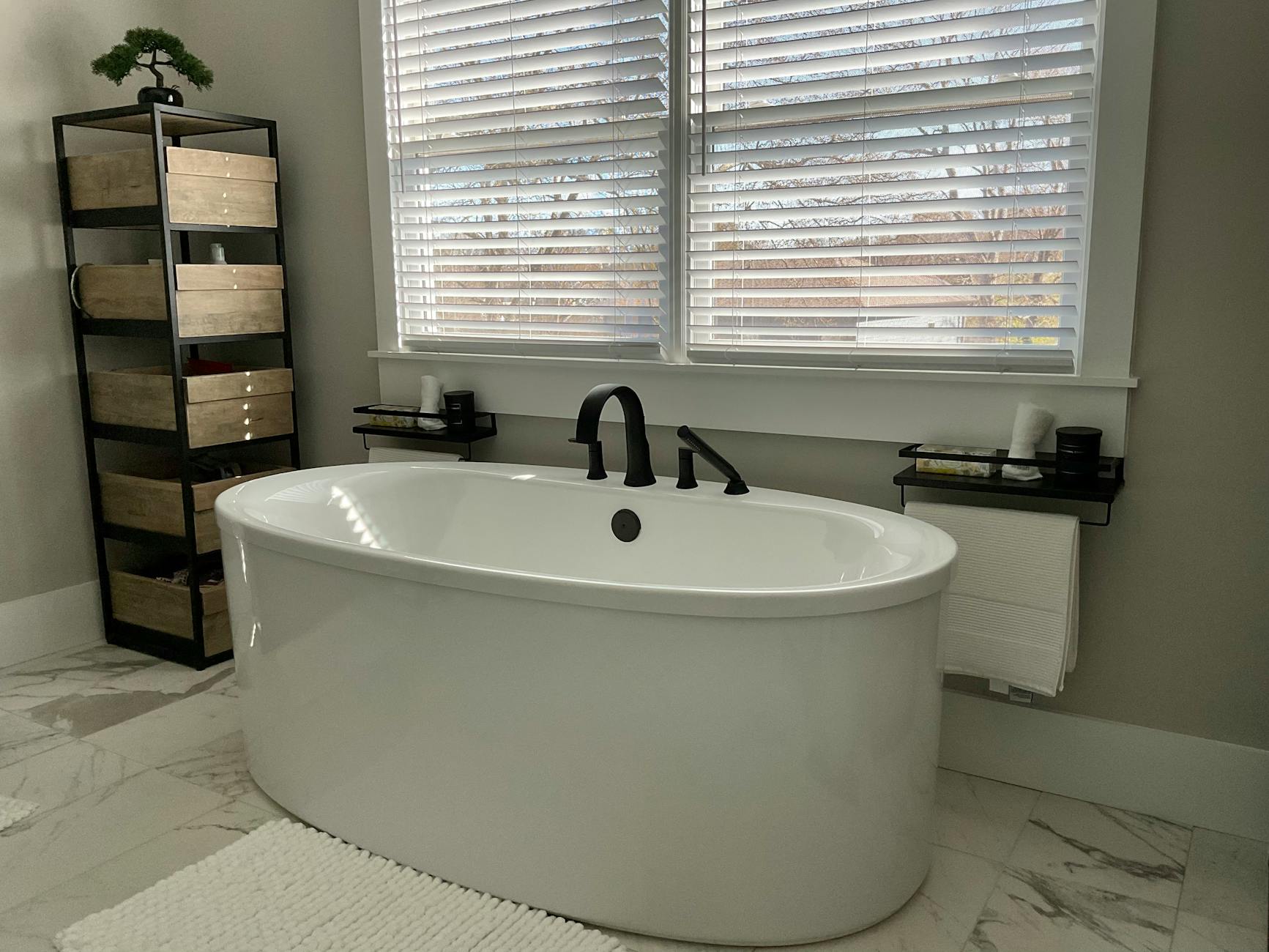
Unclog a Bathtub Drain
Five methods in escalating order, with the point where you stop and call a plumber.
- How to Clean Mold in the Bathroom (Safely and Effectively)
- How to Clean a Toilet Tank (Step by Step)
- Clean the Black Ring Under the Toilet Rim
Every method on this page names the surfaces it is safe on, states what it cannot do, and carries a real threshold for stopping and calling a professional. That is a publishing requirement here, not a house style. Our editorial standards ›
The machine, the fabric and the four popular myths
A washing machine is the only appliance most people never clean and then blame for the smell. These start with the machine itself, then the fabric, then the shortcuts that circulate online and do not survive contact with a manufacturer manual.
- The Complete Laundry Guide
- How to Clean a Washing Machine (Front Load and Top Load)
- How to Remove Washing Machine Mold for Good
- Baking Soda in the Washing Machine: Full Guide
- The Truth About Dishwasher Tablets in the Washing Machine
- How to Steam Clothes Without a Steamer (7 Ways)
- The Best Way to Clean Shoes
Named machines, named parts
Generic advice fails on appliances, because the part that gets dirty is model-specific and half of them are not obviously removable. These name the machine and the part.
Identify the mark before you touch it
Four stains that people reach for the wrong product on, because the mark on the surface and the damage under it look the same from a standing position.
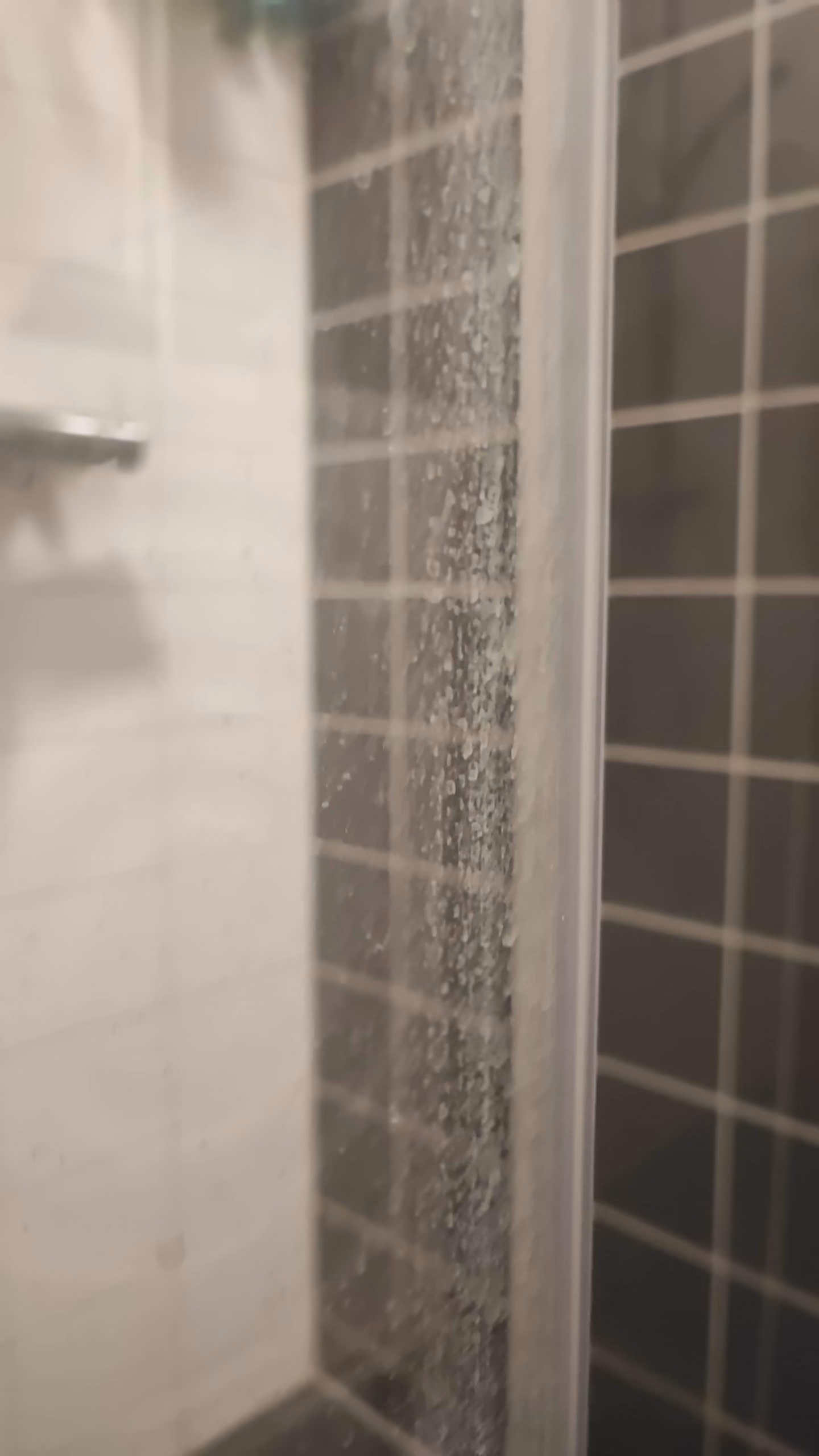
Water Stains on Glass
Why the mineral deposit matters more than the cleaner.

Water Stains on Hardwood
White marks and black marks are different problems.

Yellowed Plastic
What has actually changed in the plastic, and what can be undone.
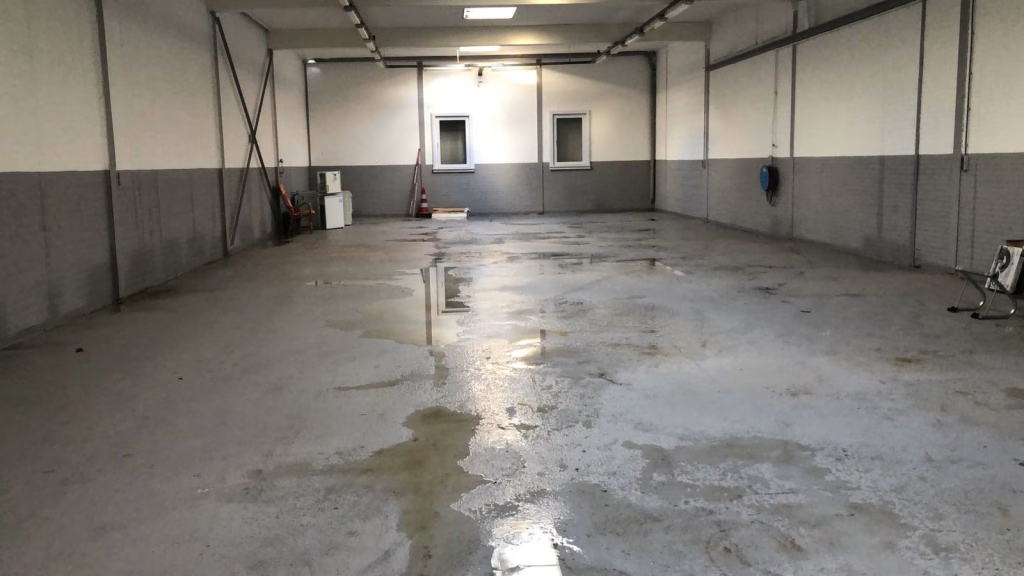
Stained Concrete Floors
Sealed and unsealed concrete need opposite treatments.
Fifteen printable cleaning checklists
The routines that keep deep cleans rare, plus the ones for the days when the clock is the constraint. Every one is a plain PDF: no email address, no account, nothing to unsubscribe from later.
Cleaning questions we get most
What order should I clean a room in?
Top to bottom, dry to wet, and leave the floor until last, so nothing you have already cleaned gets dust or drips on it a second time. The full worked example is How to Deep Clean Your Kitchen, which is written as one sequence rather than a list of tasks.
Is vinegar safe on everything?
No, and this is the single most common way people damage a surface while cleaning it. Acids etch natural stone, dull some sealed finishes and should never go near a stone worktop or an unsealed grout line. Every method on this site names the surfaces it is safe on and the ones it is not, and where a popular hack has a real limit we put the limit before the method.
Do I need a different product for every job?
Almost never. Most of the guides here run on white vinegar, baking soda, dish soap and a microfibre cloth, and reach for a specialist product only where the chemistry genuinely requires it. Where a job does need something specific, the guide says why, not just what.
How do you decide what counts as a proven method?
Manufacturer documentation and safety data sheets first, then the published standards from bodies like the EPA, then what licensed professionals recommend, then documented real-world outcomes. Our guides are research-led and say so: they do not claim we personally tested every method. The full standard is on How We Test.
When should I stop and call a professional?
Every guide on this site carries that threshold explicitly, because the honest answer changes per job. Mold past a certain area, anything behind a wall, anything on a gas line and anything that needs the power off at the consumer unit are the usual ones. If a guide ever fails to tell you where its own limit is, that is a bug and we want to hear about it.
Everything on this page is a research-led guide, and none of it claims we personally tested it.How We Test explains the two evidence standards this site runs on, and how to tell in one glance which one you are reading.
Read How We TestKeep going
Or browse the raw archive: all cleaning posts, or start from the people who write them.