

Repairs and Small Builds, and Where a Job Stops Being Yours
The smallest and slowest-growing section on the site, deliberately. DIY carries real physical risk, so the research bar here is higher and the line about when to stop is the part we spend most time on.
Two jobs, worked through properly
One electrical and one not, and they are a fair illustration of the range. The first is a diagnostic sequence with a hard stop in the middle of it. The second is entirely about load limits.
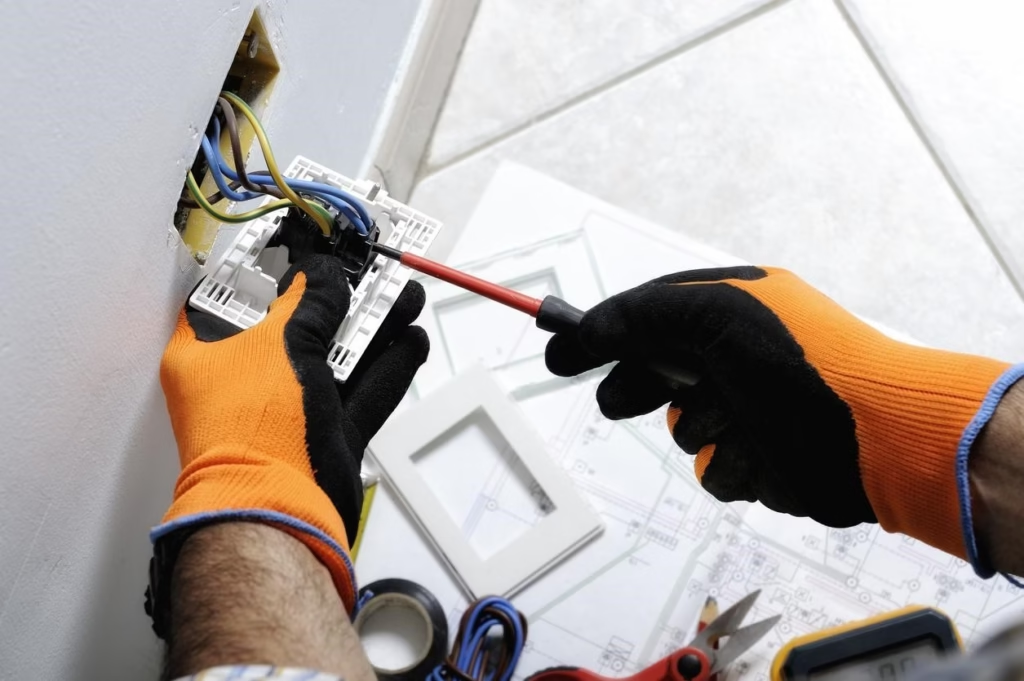
How to Fix Dead Outlets
The causes in order, from the tripped breaker to the tripped GFCI upstream, with the point where diagnosis stops being a DIY job.
Install Floating Shelves Without Drilling
Adhesive and bracket options, what each will genuinely hold, and the wall finishes where none of them work.
Where we stop, every time
Every guide on this site carries a threshold for calling a professional. For DIY the threshold matters more than the method, so here it is up front rather than at the bottom of an article.
- Anything you cannot confirm is dead. Not "the switch is off". Confirmed dead, tested at the outlet, with a tester you have just proved works on a live circuit.
- The consumer unit or service panel itself. Opening one is a different category of job from anything downstream of it.
- Gas, in any form. There is no DIY version of this on HomeNerdy and there will not be one.
- Anything behind a wall you cannot open safely. Not knowing what is behind it is the reason, and it does not get better by guessing.
- Anything your local code requires a certificate for. This varies by country and by state. Check before, not after.
This list is not a disclaimer. It is a publishing rule: a guide here does not go live without a real threshold in it, and "be careful" does not count as one. Our editorial standards ›
Maintenance jobs we do cover in depth
Most of what gets called DIY is really maintenance, and that is where this site is strongest. These six are the ones people most often arrive looking for a repair and leave having fixed without one.
DIY questions we get most
Is it safe to work on an outlet myself?
Sometimes, and the honest answer depends on what is actually wrong. Replacing a known-good outlet with the circuit isolated and tested dead is within reach of a careful person. Diagnosing a dead circuit is not the same job. How to Fix Dead Outlets works through the causes in order and states plainly where it stops.
When do I have to call a professional?
Anything behind a wall you cannot open safely, anything on a gas line, anything involving the consumer unit or service panel itself, and anything where you cannot positively confirm the circuit is dead. Also: anywhere your local code requires a permit or a certificate, which varies and is worth checking before rather than after.
Can I put up shelves without drilling?
For light loads, yes, and the load limit is the whole question. Installing Floating Shelves Without Drilling covers the adhesive and bracket options, what each one will actually hold, and the wall finishes where none of them work.
Why are there only two DIY guides here?
Because we would rather have two we stand behind than twenty assembled from other people's articles. DIY carries real physical risk, and the research bar for it is higher than for cleaning. This section grows slowly and deliberately, and we would rather say that than pretend otherwise.
Do you test DIY methods yourselves?
These are research-led guides, built from manufacturer documentation, published electrical and building standards, and what licensed tradespeople recommend. They do not claim we personally carried out every repair. Where one of our writers does have direct hands-on experience, the guide says so at the point it is relevant. The two evidence standards are set out on How We Test.
Done a repair properly and want to write it up?We take contributions from people who have actually done the job, and we credit them by name. Trade qualifications are welcome but not required; evidence is.
Submit an ArticleKeep going
Or browse the raw archive: all DIY posts, or read how we research a guide.