

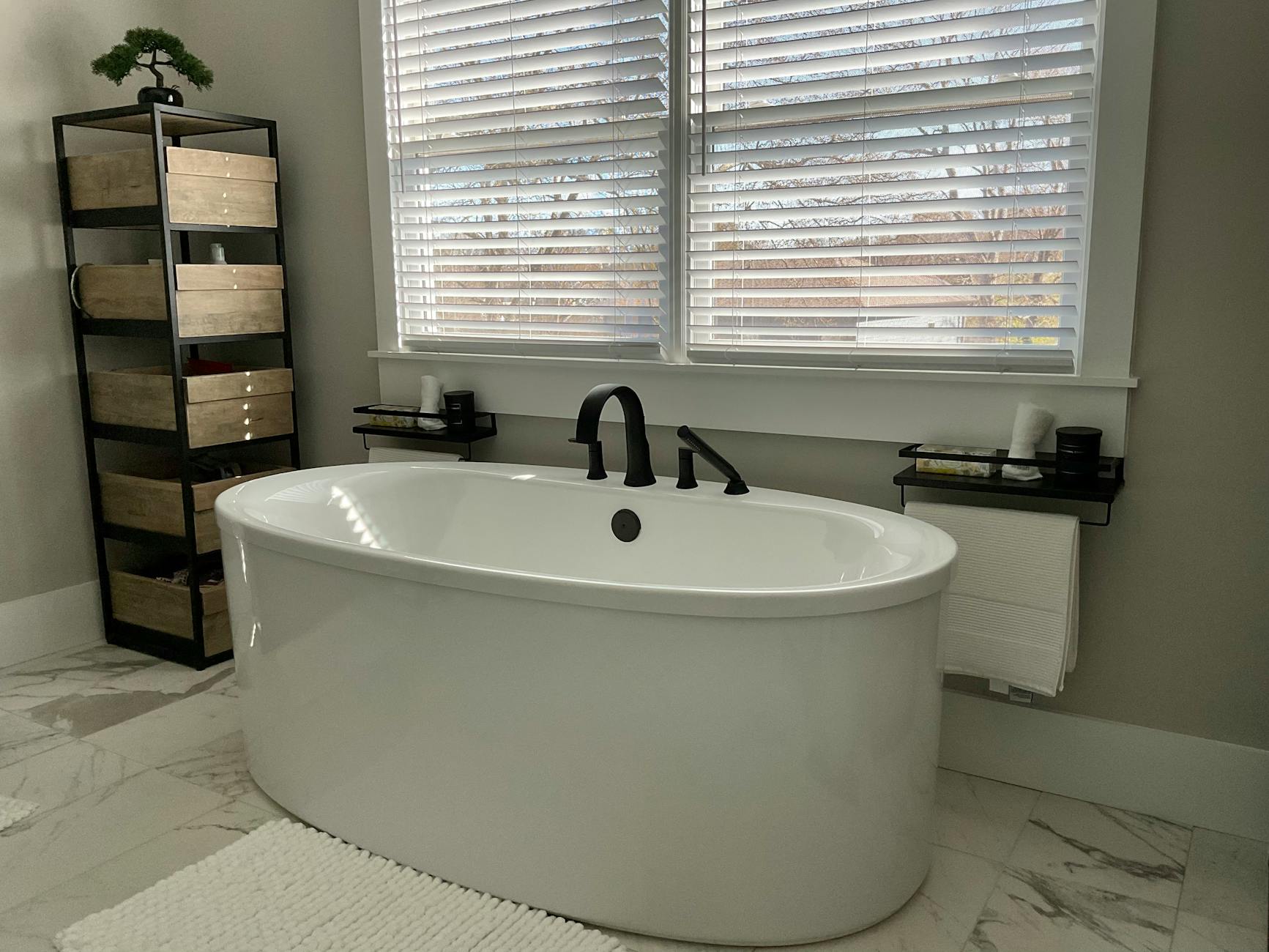
Unclogging a bathtub drain means removing the blockage (typically hair, soap residue, or mineral buildup) that prevents water from flowing freely down the drainpipe. Most bathtub clogs form in the drain trap or the drainpipe just below the tub, where hair tangles around soap scum and hardens into a stubborn mass.
Standing water in your bathtub after a shower is frustrating. You might notice the water draining slowly at first, then not at all. The problem often builds gradually: what starts as a minor slowdown becomes a full clog within weeks.
About this guide: Written by Jake Morrison, who covers bathroom and plumbing topics at HomeNerdy. This article was last reviewed in February 2026 and follows our editorial standards: we prioritize safety, reference manufacturer guidance and standard household practices, and clearly state limitations.
How we develop our guides: We base our steps on standard plumbing practices and manufacturer recommendations for common drain types. We do not claim to have personally tested every method; instead, we compile guidance from authoritative sources and common user experiences.
Scope: This guide covers DIY methods for typical hair and soap clogs in residential bathtub drains. It does not address main sewer line clogs, broken pipes, or chemical drain opener alternatives beyond baking soda. If multiple drains in your home are backing up, that’s a main line issue: call a plumber.
Quick Summary (TL;DR)
If you need a fast answer, here’s the core approach:
- Remove visible hair: Pull the drain stopper and remove any hair you can reach by hand (wear gloves). Limitation: Only works if the clog is near the surface.
- Flush with hot water: Pour hot (not boiling) water down the drain to dissolve soap scum. Limitation: Won’t break through heavy hair clogs.
- Use a drain snake or Zip-It tool: Insert a barbed plastic tool or a plumber’s snake to pull out hair clogs from deeper in the pipe. Limitation: Requires a little elbow grease and can be messy.
- Plunge the drain: Use a flat-bottomed plunger to create pressure and dislodge the clog. Limitation: Only effective if the clog is within a few feet of the drain opening.
- Disassemble the overflow cover or P-trap: Access the drainpipe directly to remove stubborn clogs by hand. Limitation: Requires basic tools and getting under the tub if accessible.
Know when to stop: If water starts backing up into other drains, if you see sewage, or if none of these methods work after two attempts, stop and call a licensed plumber. Forcing tools deeper or using harsh chemicals can damage pipes.
Safety First
Bathtub drain work is generally safe, but follow these precautions:
- Wear rubber gloves: You’ll be handling hair, soap scum, and potentially dirty water.
- Avoid chemical drain cleaners: Products containing lye or sulfuric acid can damage older pipes, harm septic systems, and create dangerous fumes. Stick to mechanical methods.
- Use hot water, not boiling: Boiling water can crack porcelain tubs or damage PVC pipes. Hot tap water (120-140°F50-60°C) is safer and still effective.
- Don’t force tools: If a drain snake won’t advance, stop. You could puncture a pipe or get the snake stuck.
- Protect your tub finish: Lay down a towel when working with metal tools to avoid scratching the tub surface.
- Ventilate the bathroom: Open a window or turn on the exhaust fan to keep air moving, especially if you’re working in a small space.
60-Second Diagnostic: What’s Causing Your Clog?
Before you start, identify your clog type. This helps you pick the right method first.
| What You See | Likely Cause | First Step | Next Step | Stop & Call a Pro If… |
|---|---|---|---|---|
| Hair visible in drain | Surface hair clog | Method 1: Hand Removal | Method 3: Drain Snake | Hair keeps coming back daily |
| Slow drain, no visible hair | Soap scum + hair deeper in pipe | Method 2: Baking Soda + Hot Water | Method 4: Plunger | No improvement after two tries |
| Standing water, completely blocked | Deep hair clog or mineral buildup | Method 3: Drain Snake | Method 5: Access P-Trap | Water backs up into other drains |
| Water drains but gurgles | Partial clog or vent issue | Method 4: Plunger | Method 3: Drain Snake | Gurgling happens in multiple drains |
| Water drains on one side only | Crossbar blockage in drain opening | Method 1: Hand Removal | Remove drain cover for access | Cover won’t unscrew or is rusted |
💡 Key insight: Most bathtub clogs are within 6-18 inches15-45 cm of the drain opening. If the clog is deeper than that, it’s often in the P-trap or farther down the line; consider Method 5 or calling a plumber.
💡 Quick check: If you look straight down your drain and see dark strands wrapped around the crossbar, you’re dealing with the most common clog: hair bound with soap scum. Jump to Method 3 (drain snake) for the fastest fix.
Method 1: Remove Hair by Hand
Time needed: 5 minutes
Best for: Visible hair clogs near the surface
Materials:
- Rubber gloves
- Flashlight (optional, helps you see into the drain)
- Paper towels
Steps:
- Put on rubber gloves: You’re about to touch hair and soap scum.
- Remove the drain stopper or cover: Many tub drains have a removable stopper. Twist it counterclockwise or pull it straight up. Some stoppers have a small screw underneath: use a flathead screwdriver to loosen it first.
- Look into the drain: Shine a flashlight down the opening. You’ll often see hair wrapped around the crossbar or just below the surface.
- Pull out visible hair: Reach in with your gloved fingers and pull out as much hair as you can. It might come out in clumps or strands. Drop it directly into a trash bag.
- Wipe the drain opening: Use a damp paper towel to clean soap scum from the visible drain rim.
- Test the drain: Run hot water for 30 seconds. If it drains freely, you’re done. If it still drains slowly, move to Method 3.
Why this works: Hair is the most common bathtub clog. Long hair wraps around the drain crossbar and catches more hair over time, creating a net that traps soap and shampoo residue. Removing the surface layer often restores flow.
Limitations: This only clears clogs you can see and reach. If the hair is deeper in the pipe, you’ll need a drain snake (Method 3).
⚠️ Common mistake to avoid: Don’t flush hair down the drain while rinsing your hands. Always throw it in the trash. Even small amounts can re-clog the drain within days.
Method 2: Baking Soda + Hot Water Flush
Time needed: 15 minutes (mostly waiting)
Best for: Mild soap scum buildup combined with minor hair clogs
Materials:
- 1/2 cup120 ml baking soda
- 4-6 cups1-1,5 liter hot tap water (not boiling)
- Measuring cup
Steps:
- Pour baking soda into the drain: Remove the drain stopper if possible. Pour 1/2 cup120 ml of baking soda directly into the drain opening. Use a spoon to push it down if it sits on the crossbar.
- Let it sit for 5 minutes: The baking soda will coat the inside of the pipe and absorb some of the odor-causing residue.
- Pour hot water down the drain: Heat tap water until it’s hot but not boiling (120-140°F50-60°C). Pour 4-6 cups1-1,5 liter slowly down the drain in a steady stream.
- Wait and observe: Give it 5 minutes. If standing water starts draining, that’s a good sign. If it doesn’t, repeat once.
- Test the drain: Run the tub faucet for 30 seconds. If water drains freely, you’re done. If it’s still slow, move to Method 3 or 4.
Why this works: Baking soda is mildly abrasive and deodorizing. Hot water softens and dissolves soap scum. Together, they can clear light buildup and mild clogs. The baking soda also helps neutralize odors from hair and soap residue sitting in the pipe.
🔬 A note about the science: Unlike the baking soda + vinegar combination (which creates fizzing but neutralizes into mostly water), baking soda alone followed by hot water keeps the alkaline degreasing power intact. The hot water rinse moves loosened residue down the drain.
Limitations: This won’t break through heavy hair clogs or mineral buildup. It’s a gentle maintenance method, not a heavy-duty fix.
Contextual link: If you’ve ever dealt with a slow kitchen sink drain, you know that soap and grease buildup can slow drainage even without visible clogs. The same principle applies here: bathtub soap scum creates a slippery coating that catches hair and slows water flow.
Method 3: Use a Drain Snake or Zip-It Tool
Time needed: 10-15 minutes
Best for: Hair clogs deeper in the drainpipe
Materials:
- Plastic drain snake (Zip-It tool) or metal plumber’s snake (15-25 feet4,5-7,5 meter)
- Rubber gloves
- Bucket or trash bag for removed hair
- Paper towels
Steps:
- Choose your tool: A plastic Zip-It tool (about $3-5€3-5 at hardware stores) works for most residential tub clogs. It has barbed edges that catch hair. For deeper or tougher clogs, use a metal plumber’s snake.
- Remove the drain stopper: Pull out or unscrew the drain cover to access the pipe opening.
- Insert the snake: Push the tool slowly into the drain. You’ll feel resistance when it hits the clog. Don’t force it: gentle, steady pressure works better.
- Twist and pull: If using a Zip-It, push it past the clog, then pull it back slowly. The barbs will catch hair and pull it out. If using a metal snake, twist the handle clockwise as you push to grab the clog, then pull back.
- Remove the clog: Pull the tool out. You’ll likely see a disgusting clump of hair, soap, and gunk. Drop it straight into a trash bag. Don’t shake it off into the tub.
- Repeat if needed: If the snake only pulled out a small amount of hair, insert it again. Sometimes clogs come out in layers.
- Flush with hot water: Run hot tap water for 1-2 minutes to clear any remaining debris.
- Test the drain: Fill the tub with 2-3 inches5-7,5 cm of water, then release it. If it drains quickly, you’ve cleared the clog.
Why this works: Hair clogs form deep in the pipe where hands can’t reach. A drain snake physically hooks the hair and pulls it out. The barbed design of a Zip-It tool is specifically made for hair: each barb catches strands and doesn’t let go.
Limitations: If the clog is in the P-trap or farther down the line, a short Zip-It might not reach it. You’ll need a longer plumber’s snake or access to the trap (Method 5).
⚠️ Common mistake to avoid: Don’t force the snake if it stops advancing. You could puncture a PVC pipe or get the snake stuck. If you feel hard resistance, try twisting gently. If it still won’t move, stop and call a plumber.
✅ What to expect: When you pull the snake out, expect a tangled clump of dark hair bound with gray-white soap scum and sometimes mineral residue. This is the clog that was blocking your drain. The more you pull out, the better the post-snake flow will be. Run hot water for 60 seconds to flush the rest.
Method 4: Plunge the Drain
Time needed: 10 minutes
Best for: Clogs within a few feet of the drain opening, especially when combined with standing water
Materials:
- Flat-bottomed plunger (not the bell-shaped toilet plunger)
- Wet rag or duct tape
- Petroleum jelly (optional, helps create a seal)
Steps:
- Seal the overflow drain: Most bathtubs have an overflow drain near the top of the tub (usually below the faucet). Cover it with a wet rag or duct tape to prevent air from escaping. This helps the plunger create suction.
- Fill the tub with 2-3 inches5-7,5 cm of water: The water helps create a seal between the plunger and the drain. If you already have standing water, you’re set.
- Position the plunger over the drain: Use a flat-bottomed plunger (the kind made for sinks and tubs, not toilets). Apply a thin layer of petroleum jelly around the rim if you have trouble getting a seal.
- Plunge vigorously: Push down hard, then pull up sharply. Don’t break the seal. Repeat 15-20 times. You’re creating pressure waves that push and pull the clog.
- Check for drainage: Lift the plunger and see if water starts draining. If it does, you’ve dislodged the clog. If not, repeat the plunging process once more.
- Flush with hot water: Once water drains freely, run hot tap water for 1-2 minutes to clear any remaining debris.
Why this works: Plunging creates pressure that can dislodge clogs stuck in the drainpipe. The push-pull motion moves water forcefully in both directions, breaking apart hair and soap scum clumps.
Limitations: Plunging only works if the clog is relatively close to the drain opening. If the clog is deep in the P-trap or main line, plunging won’t generate enough pressure to reach it.
⚠️ Common mistake to avoid: Don’t plunge without sealing the overflow drain. Air will escape through the overflow, and you won’t build enough pressure to dislodge the clog. Also, don’t use a toilet plunger (the bell-shaped kind) on a bathtub: it won’t seal properly.
Method 5: Access the P-Trap or Overflow Pipe
Time needed: 30-45 minutes
Best for: Stubborn clogs that won’t clear with a snake or plunger
Materials:
- Screwdriver (flathead or Phillips, depending on your overflow cover)
- Bucket or large bowl
- Rubber gloves
- Flashlight
- Wire coat hanger or plumber’s snake
- Towels (to catch water spills)
Steps:
- Remove the overflow cover: The overflow drain is the opening near the top of your tub, usually just below the faucet. Unscrew the cover plate (usually 1-2 screws). Set the screws aside where they won’t roll away.
- Look inside the overflow pipe: Use a flashlight to peer into the overflow opening. You’re looking for a drainpipe that connects to the main tub drain below. In many tubs, clogs get stuck right in this pipe.
- Insert a snake through the overflow: Push a plumber’s snake (or straightened wire coat hanger) down through the overflow pipe. This often gives you a straighter path to the clog than going through the tub drain.
- Hook and remove the clog: Twist and push the snake until you feel resistance. Twist clockwise to grab the clog, then pull it out through the overflow opening. You might need to repeat this several times.
- Flush the pipe: Pour a bucket of hot water down the overflow pipe to flush any remaining debris into the main drain.
- Reassemble and test: Screw the overflow cover back on. Run the tub faucet for 1-2 minutes and watch the drainage. If water flows freely, you’ve cleared the clog.
Alternative: Access the P-trap from below: If your bathtub has an access panel (common in older homes or second-floor bathrooms), you can reach the P-trap directly. Place a bucket under the trap, unscrew the slip nuts, and remove the trap. Clear the clog by hand, then reassemble. This method is messier but highly effective.
Why this works: The overflow pipe provides direct access to the drainpipe without fighting the tight curves of the tub drain. Many clogs sit right in the trap or the overflow pipe itself, where they’re easy to reach from this angle.
Limitations: Not all bathtubs have easily accessible overflow pipes or P-traps. Some modern tubs have sealed drain systems that require professional disassembly. If you don’t have an overflow cover you can remove, or if your tub is on a concrete slab with no access panel below, this method won’t work.
⚠️ When to stop and call a pro: If you remove the overflow cover and see rust, corrosion, or broken pipe connections, stop. Don’t force anything. Call a plumber to inspect and repair the drain system safely.
If You Have a Vintage or Clawfoot Tub
Older bathtubs often have different drain configurations. Clawfoot tubs, for example, typically have exposed drains and P-traps underneath the tub. If you have one of these:
- Access is easier: You can usually reach the P-trap directly from underneath without removing any covers. Place a bucket under the trap, unscrew the slip nuts, and remove the clog by hand.
- Watch for corrosion: Old brass or iron drains can corrode over time. If you see rust or mineral buildup on the trap, clean it gently. Don’t force rusted nuts: use penetrating oil and let it sit for 10 minutes before trying again.
- Consider a drain strainer: Vintage tubs often lack modern hair-catching strainers. Install a simple mesh strainer over the drain to prevent future clogs.
Prevention: Keep Your Bathtub Drain Clear
Once you’ve cleared the clog, these habits will help you avoid future blockages:
Daily / After Each Use
- Install a hair-catching drain strainer: A $5-10€5-10 mesh or silicone strainer sits over the drain and catches hair before it goes down the pipe. Clean it after every shower. This is the single most effective prevention method.
- Brush your hair before showering: Loose hair that would fall out in the shower ends up in your brush instead of the drain.
- Collect hair from the tub: After bathing, wipe visible hair from the tub surface and throw it in the trash. Don’t rinse it down the drain.
Weekly
- Flush with hot water: Once a week, let the tub faucet run hot water for 2-3 minutes. This helps dissolve soap scum before it hardens.
- Clean the drain strainer: Remove the strainer, rinse off collected hair, and wipe it with a damp cloth. It takes 30 seconds and prevents buildup.
Monthly
- Baking soda flush: Pour 1/2 cup120 ml of baking soda down the drain, wait 5 minutes, then flush with hot water. This keeps the pipe fresh and prevents odor buildup.
- Inspect the drain stopper: Remove the stopper and wipe off any hair or soap residue wrapped around it. Clogs often start here.
💡 Contextual insight: Just like maintaining the black ring under a toilet rim, regular small efforts prevent big problems. A 30-second weekly drain cleaning is far easier than a 30-minute clog removal.
What to NEVER Do
- Don’t pour chemical drain cleaners down the tub: Products like Drano or Liquid-Plumr can damage pipes, harm septic systems, and create dangerous fumes. They’re also ineffective against hair clogs.
- Don’t use boiling water: It can crack porcelain tubs and melt PVC pipe joints. Hot tap water is safer and almost as effective.
- Don’t ignore slow drainage: A slow drain always gets worse. Clear it early with Method 1 or 2 before it becomes a full clog.
When to Call a Professional
Most bathtub clogs are DIY-friendly, but some situations require a licensed plumber:
- Multiple drains are backing up: If your bathtub, sink, and toilet all drain slowly at the same time, the clog is likely in the main sewer line. This isn’t a bathtub problem: it’s a whole-house issue.
- You see sewage backing up: If dirty water or sewage comes up through the bathtub drain, stop immediately. This indicates a serious blockage in the main line. Don’t use any drains until a plumber inspects the system.
- You’ve tried everything and the clog won’t clear: If you’ve snaked, plunged, and accessed the overflow with no success, the clog might be deep in the line or there could be a broken pipe. A plumber can use a camera inspection to diagnose the problem.
- Water leaks from the overflow or drain connections: If you notice water dripping from joints or the overflow pipe after working on the drain, there’s a leak. Don’t ignore it: water damage to floors and ceilings is expensive. Call a plumber to fix the connections properly.
- The drain gurgles constantly, even when unclogged: Persistent gurgling can indicate a venting problem in your plumbing system. Vents allow air into the drainpipe so water can flow smoothly. A blocked vent creates suction and gurgling. This requires professional diagnosis.
- You have an older home with cast iron or galvanized pipes: These pipes can corrode internally, creating rough surfaces that catch hair more easily. If you’re clearing clogs monthly despite using a hair strainer, the pipes themselves might be deteriorating. A plumber can inspect and recommend solutions (like pipe relining or replacement).
💰 Cost context: A plumber typically charges $150-300€140-280 for a standard drain cleaning service. That’s not cheap, but it’s far less than repairing water damage to your ceiling or floor if a clog causes an overflow. If you’re not comfortable with tools or if the clog won’t budge, calling a pro is the smart move.
Contextual link: Water damage from overflowing drains can seep into floors and cause stains. If you’ve dealt with water stains on hardwood floors before, you know how expensive and frustrating that repair can be. Fixing a drain problem early prevents bigger headaches later.
Frequently Asked Questions
Can I use Drano or other chemical drain cleaners in my bathtub?
We don’t recommend it. Chemical drain cleaners contain harsh ingredients like lye or sulfuric acid, which can damage PVC pipes, corrode metal traps, and harm septic systems. They’re also largely ineffective against hair clogs: the chemicals dissolve soap and grease but don’t break down hair protein well. Worse, if the clog doesn’t clear, you’ll have caustic chemicals sitting in your pipes, creating dangerous fumes and making it unsafe for a plumber to work on the drain later. Stick to mechanical methods like snaking or plunging.
How often should I clean my bathtub drain?
It depends on how much hair goes down the drain. If you have long hair or multiple people using the tub, clean the drain weekly by removing the stopper and clearing visible hair. If you use a hair-catching strainer (which we strongly recommend), you can extend that to monthly maintenance. A quick hot water flush once a week and a baking soda treatment once a month will keep things flowing smoothly.
Why does my bathtub drain smell even when it’s not clogged?
The smell usually comes from hair and soap scum decomposing in the drainpipe. Even if water drains fine, residue builds up on the pipe walls and creates odor. Pour 1/2 cup120 ml of baking soda down the drain, wait 10 minutes, then flush with hot water. Do this monthly to keep the drain fresh. If the smell persists, there might be a dry P-trap (the water seal has evaporated) or a venting issue. Run water for 30 seconds to refill the trap. If that doesn’t help, call a plumber.
What’s the difference between a Zip-It tool and a plumber’s snake?
A Zip-It is a thin plastic strip with barbed edges, designed specifically to catch and remove hair clogs. It’s cheap (around $3-5€3-5), disposable, and works great for typical bathtub clogs within 12-18 inches30-45 cm of the drain. A plumber’s snake (also called an auger) is a long, flexible metal cable with a corkscrew tip. It can reach 15-50 feet4,5-15 meter into the drainpipe and is better for deep clogs, tough blockages, or clogs in the main line. For most bathtub clogs, start with a Zip-It. If that doesn’t work, upgrade to a snake.
Can I pour boiling water down my bathtub drain?
No. Boiling water can crack porcelain or acrylic tubs and can melt the joints in PVC drainpipes. Use hot tap water instead, around 120-140°F50-60°C. It’s hot enough to dissolve soap scum and grease without risking damage to your tub or pipes. If you have metal pipes (like copper or cast iron), boiling water is safer for the pipes themselves, but you still risk cracking the tub finish.
My drain is slow but there’s no visible hair. What’s wrong?
You likely have a soap scum and mineral buildup coating the inside of the drainpipe. This creates a narrower passage for water to flow through. Try Method 2 (baking soda + hot water flush) first. If that doesn’t help, use a drain snake (Method 3) to scrape the buildup off the pipe walls. In areas with hard water, mineral deposits can accumulate over time. Regular hot water flushes (weekly) help prevent this.
How do I know if the clog is in my bathtub drain or the main sewer line?
If only your bathtub drains slowly and other drains (sink, toilet) work fine, the clog is in the tub’s drainpipe. If multiple drains are backing up at the same time, especially if you flush the toilet and water backs up into the tub, the clog is in the main sewer line. Main line clogs require a professional plumber with specialized equipment like a motorized auger or hydro-jetting system. Don’t attempt to fix a main line clog yourself.
Should I remove the entire drain assembly or just the stopper?
Start by removing just the stopper. Most clogs are within reach once you pull the stopper out. If that doesn’t work, try snaking through the drain opening or the overflow pipe (Method 5). Only remove the entire drain assembly if you’re comfortable with plumbing work and if the clog is clearly in the trap itself. Removing the assembly requires unscrewing the drain flange (the visible metal ring in the tub), which can be tricky if it’s old or corroded. If you’re not sure, call a plumber.
Conclusion
Unclogging a bathtub drain doesn’t require harsh chemicals or expensive tools. Most clogs respond to simple mechanical methods: pulling out hair by hand, snaking the drainpipe, or plunging the drain opening. The key is matching the method to the clog type: surface hair clogs need hand removal, deeper clogs need a snake, and stubborn clogs might require accessing the overflow pipe or P-trap.
Remember the safety basics: wear gloves, avoid chemical cleaners, and don’t force tools. If you’ve tried two methods and the clog persists, or if you see signs of a main line issue (multiple drains backing up, sewage), stop and call a licensed plumber.
Prevention is your best defense. Install a hair-catching strainer, clean it weekly, and flush the drain with hot water regularly. These small habits keep your drain flowing and save you from standing in ankle-deep water mid-shower.
Have a tip that worked for your bathtub clog? Let us know in the comments below.