
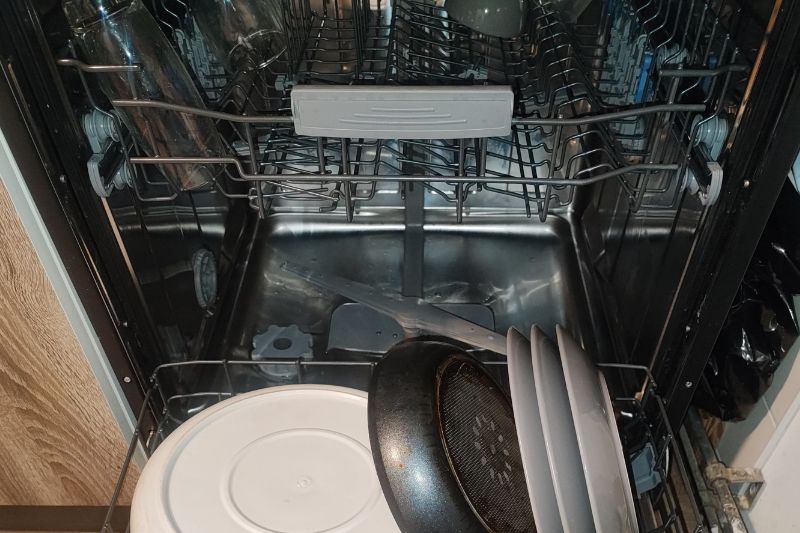
Cleaning a dishwasher means removing food debris, grease, mineral deposits, and bacteria from the filter, spray arms, interior walls, and door gasket so the machine runs efficiently and your dishes come out clean. If you’ve noticed a musty smell when you open the door, white film on your glasses, or food particles still stuck to plates after a cycle, buildup inside the machine is the most likely cause.
This guide covers four methods, starting with the component most people overlook (the filter) and working through a full deep clean. Each method targets a different problem, so you can match your approach to what’s actually going on rather than cleaning parts that don’t need it.
About this guide: Written by Joe Carrow, Kitchen & Appliance Editor at HomeNerdy. This article was last reviewed in April 2026 and follows our editorial standards: we prioritize safety, reference manufacturer guidance and standard household practices, and clearly state limitations.
How we develop our guides: We base our steps on common manufacturer recommendations (including Bosch, Whirlpool, and GE Appliances guidance), appliance industry best practices, and established household cleaning guidelines. We do not claim to have personally tested every method; instead, we compile guidance from authoritative sources and common user experiences.
Scope: This guide covers cleaning standard residential dishwashers (built-in and portable models). It does not cover dishwasher installation, pump or motor repair, or commercial units. If your dishwasher leaks, makes unusual noises, or won’t drain at all, consult a licensed appliance technician.
Quick Summary (TL;DR)
Step 1: Clean the filter
This is the single most impactful thing you can do. Most dishwashers have a removable filter at the bottom of the tub: twist it out, rinse off the trapped food, and put it back. Takes 3 minutes.
Step 2: Match your problem to the right method
- Dishes coming out dirty or with residue: Clean the filter: a clogged filter is the most common cause.
- Musty smell or general odor: Vinegar wash cycle: deodorizes and dissolves mineral buildup.
- White film on glasses or cloudy dishes: Vinegar wash cycle: targets hard water mineral deposits.
- Visible grime on door edges or gasket: Baking soda + manual clean: targets areas the wash cycle misses.
- Spray arms not spinning freely or weak water pressure: Deep clean spray arms and drain.
Step 3: Maintain it
- Clean the filter every 1-2 weeks and run a vinegar cycle monthly. Adopt the daily habits that prevent most problems from developing.
Step 4: Know when to stop
- If odors persist after cleaning, if the dishwasher won’t drain, or if you see water leaking from the unit, it’s time to call a professional.
Safety First: Read Before You Start
Before You Start
Make sure the dishwasher has finished its cycle and is cool enough to work with. Opening a dishwasher mid-cycle exposes you to hot steam and water that can cause burns.
- Wait at least 15-20 minutes after a hot cycle completes before cleaning inside.
- If you need to remove spray arms or the filter, the dishwasher should be off and cool.
Chemical Safety
Stick to one cleaning product at a time. The methods in this guide use vinegar and baking soda separately: do not combine them in the same cycle, as they neutralize each other and reduce effectiveness.
Do Not Use:
- Bleach in a stainless steel dishwasher: Can discolor and damage the interior.
- Dish soap (hand-washing type): Creates excessive suds that can overflow and damage the machine. Dishwashers require dishwasher-specific detergent.
- Abrasive cleaners or steel wool: Can scratch the interior finish and damage spray arm nozzles.
PPE (Personal Protective Equipment)
- Rubber gloves: Recommended when cleaning the filter and drain area, as trapped food debris contains bacteria.
- The filter may have sharp edges: Handle carefully, especially fine mesh filters.
Stop and Reassess If:
- You see standing water that won’t drain after the cycle completes: this indicates a drainage issue, not a cleaning issue.
- The dishwasher makes grinding or unusual noises during operation.
- You notice water leaking from the door, base, or hose connections.
- There is visible mold beyond surface areas (inside hoses or pump housing).
- You’re uncomfortable with any step.
60-Second Diagnostic
Before you start scrubbing, take a moment to identify what’s actually going on. Your symptoms point to different solutions.
Step 1: What’s happening?
- ☐ Dishes come out with food particles still on them → Most likely a dirty filter. Start with Method 1 (Filter Clean)
- ☐ Musty or sour smell when you open the door → Bacteria and buildup inside. Try Method 2 (Vinegar Cycle), then check the door gasket
- ☐ White film or cloudy spots on glasses → Hard water mineral deposits. Method 2 (Vinegar Cycle) dissolves these
- ☐ Dishes still wet after drying cycle → Not a cleaning issue. Check rinse aid levels and heating element function
- ☐ Water pools at the bottom after a cycle → Drainage problem. Check and clean the filter and drain area (Method 4), but if water remains, call a technician
- ☐ Spray arms seem weak or don’t spin → Clogged spray arm holes. Go to Method 4 (Deep Clean)
Step 2: How bad is it?
- ☐ Mild (faint smell, occasional residue on dishes) → Filter clean + vinegar cycle is typically enough
- ☐ Moderate (noticeable odor, visible buildup, cloudy glasses) → Combine methods 1-3 in sequence
- ☐ Severe (strong odor, visible grime, poor cleaning performance) → Full deep clean (all four methods), then reassess
Step 3: When did you last clean it?
- ☐ Recently / regularly → One method should handle it
- ☐ Can’t remember / never have → Start with Method 1 and work through all four methods
Quick Decision Table
| What you’re experiencing | Likely cause | First step | Next step | Stop & call a pro if… |
|---|---|---|---|---|
| Food particles on dishes after a cycle | Clogged filter not trapping debris, or debris recirculating | Clean the filter | Check spray arms for clogs | Problem persists after filter and spray arm cleaning; pump may need inspection |
| Musty or sour smell from inside | Bacteria from trapped food and standing moisture | Clean the filter | Vinegar cycle, then clean door gasket | Smell persists after full cleaning; may indicate mold in hoses or pump |
| White film or cloudy spots on glasses | Hard water mineral deposits (calcium and lime) | Vinegar wash cycle | Check rinse aid levels; consider water softener | Heavy mineral buildup on heating element; may need descaling by a technician |
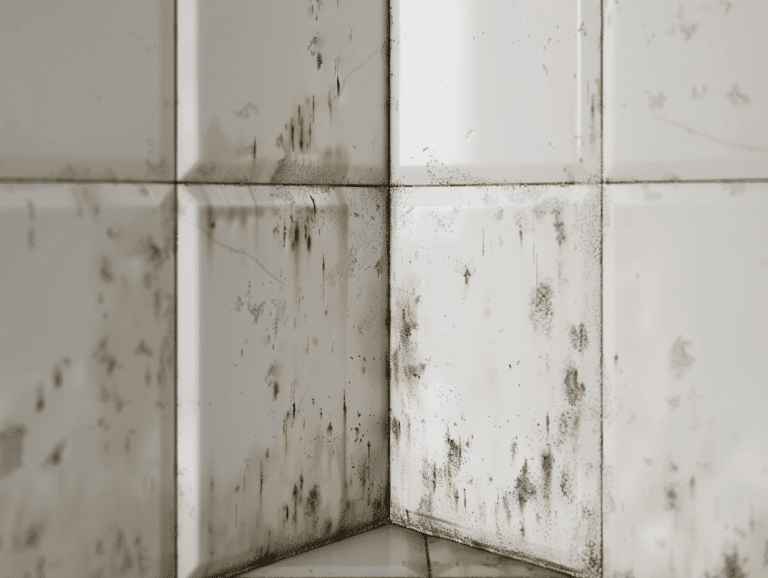
| Dark grime around door edges or gasket | Food splatter and moisture trapped in areas the wash cycle doesn’t reach | Manual gasket and edge clean | Vinegar cycle for interior | Mold visible in gasket folds that won’t come off; gasket may need replacement |
| Weak water pressure or spray arms not spinning | Clogged spray arm nozzles from mineral or food buildup | Deep clean spray arms | Vinegar cycle to prevent re-clogging | Spray arms still won’t spin freely; pump pressure issue or worn bearings |
Common Mistakes to Avoid
- Never cleaning the filter: This is the most common dishwasher maintenance oversight. Most modern dishwashers have a manual filter (older models had self-cleaning grinders). If your filter is clogged, food particles recirculate onto your dishes during every wash. Based on manufacturer guidance from Bosch and Whirlpool, the filter should be cleaned every 1-2 weeks depending on usage.
- Using hand dish soap instead of dishwasher detergent: Hand dish soap (the kind you use at the sink) produces far more suds than a dishwasher can handle. Even a small amount can cause the machine to overflow with foam, potentially leaking onto your kitchen floor and damaging the pump. Dishwasher detergent is specifically formulated for low-suds, high-temperature cleaning.
- Running vinegar and baking soda in the same cycle: These are popular cleaning agents, but they neutralize each other when combined: the result is mostly water and sodium acetate with minimal cleaning power. Use them in separate cycles for the best effect: vinegar first to dissolve mineral deposits, then baking soda to deodorize and scrub.
- Ignoring the door edges and gasket: The wash cycle cleans the interior tub, but water rarely reaches the door edges, the bottom of the door, or the folds of the rubber gasket. Food splatter, grease, and moisture collect there and become a breeding ground for bacteria and mold, often the actual source of dishwasher odors.
- Overloading the dishwasher: Cramming in extra dishes blocks the spray arms and prevents water from reaching all surfaces. This leads to partially cleaned dishes, more food residue left in the machine, and faster buildup in the filter and drain. Based on common manufacturer recommendations, leave enough space between items for water to circulate freely.
Method 1: Clean the Filter
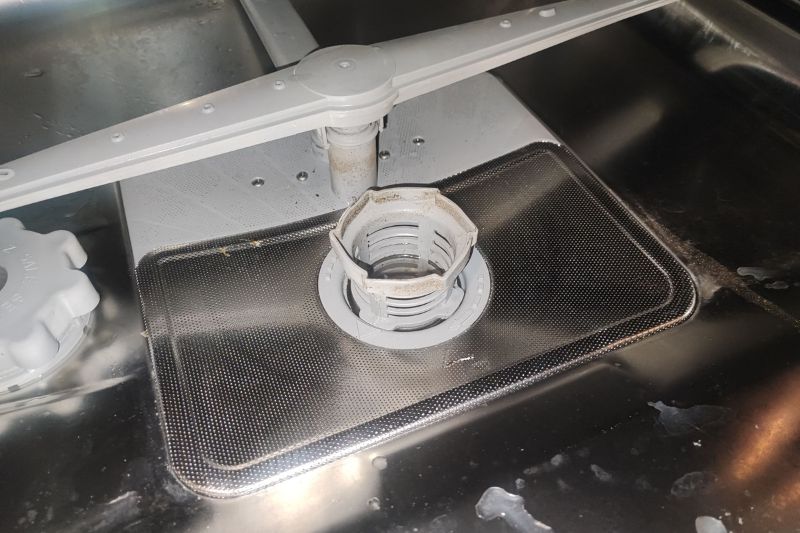
If your dishwasher has been underperforming, start here. The filter sits at the bottom of the dishwasher tub and traps food particles to prevent them from recirculating onto your dishes. When it gets clogged, those particles have nowhere to go, and they end up right back on your plates.
Most people don’t realize their dishwasher even has a removable filter. If you’ve never cleaned yours, you may be surprised by what you find.
Time needed: 3-5 minutes
Materials: Soft brush (old toothbrush works well), dish soap, warm water
Best for: Dirty dishes after a cycle, reduced cleaning performance, visible debris at the bottom of the tub
Instructions
- Make sure the dishwasher has completed its cycle and is cool enough to handle.
- Remove the bottom dish rack to access the floor of the dishwasher.
- Locate the filter: it’s typically a cylindrical piece at the bottom center or back corner of the tub. Most models have a round twist-lock mechanism.
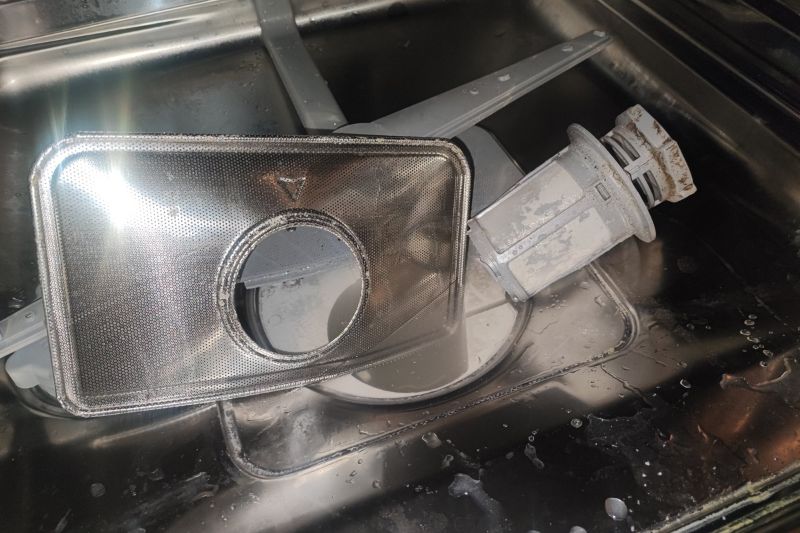
- Twist the filter counterclockwise (about a quarter turn) and lift it out. Some models have a two-part filter: a coarse upper filter and a fine mesh lower filter. Remove both.
- Rinse the filter under warm running water. Use a soft brush and a small amount of dish soap to gently scrub away stuck-on food particles. Pay attention to the fine mesh: hold it up to the light to check for remaining blockages.
- Check the filter housing (the opening where the filter sits) for any debris. Wipe it clean with a damp cloth.
- Replace the filter by inserting it and twisting clockwise until it locks into place.
How to find your filter type: Check your dishwasher’s owner manual or search your model number on the manufacturer’s website. If you see a circular piece at the bottom of the tub that you can twist or lift, you have a manual filter that needs regular cleaning. If the bottom has a solid plate with no removable parts, your dishwasher may have a self-cleaning (hard food disposer) system; these are less common in models made after 2010.
Why this works: A clean filter allows water to flow freely through the wash system. When the filter is clogged, the pump works harder, water pressure drops, and food particles that should be trapped get pushed back onto dishes.
Limitations: Cleaning the filter addresses food debris and circulation issues, but it won’t remove mineral deposits from the interior walls (that’s Method 2) or clean the door gasket (that’s Method 3).
If this doesn’t help: If dishes are still coming out dirty after cleaning the filter, check the spray arms for clogs. If the dishwasher smells, move to Method 2 (Vinegar Cycle).
Method 2: Vinegar Wash Cycle
Where the filter clean removes physical debris, the vinegar cycle targets what you can’t easily scrub by hand: mineral deposits on interior walls, hidden buildup inside the pump and hoses, and odor-causing bacteria throughout the system. Vinegar’s acidity dissolves calcium and lime deposits that cause the white film on glasses and the chalky buildup you may notice inside the tub.
Time needed: 1-2 hours (mostly hands-off: the dishwasher does the work)
Materials: 2 cups480 ml white distilled vinegar, dishwasher-safe measuring cup or bowl
Best for: Musty odors, white film on glasses, mineral buildup, general interior deodorizing
Instructions
- Empty the dishwasher completely: remove all dishes, utensils, and racks if desired (racks can stay in).
- Clean the filter first (Method 1) if you haven’t recently. Running a vinegar cycle with a clogged filter reduces effectiveness.
- Place a dishwasher-safe cup or measuring cup filled with 2 cups480 ml of white distilled vinegar upright on the top rack.
- Run the dishwasher on the hottest cycle available (often labeled “heavy” or “sanitize”). Do not add detergent.
- When the cycle completes, open the door and let the dishwasher air out for 15-20 minutes.
Why the top rack? Placing the vinegar on the top rack allows it to gradually overflow and distribute during the wash cycle as the water level rises and the spray arms agitate. This spreads the vinegar throughout the entire tub rather than having it immediately diluted at the bottom.
A note about vinegar and rubber gaskets: Occasional vinegar use (once a month) is generally considered safe for dishwasher gaskets and seals. However, frequent or concentrated vinegar exposure may affect some rubber and silicone materials over time. If your manufacturer’s manual specifically advises against vinegar, follow that guidance. Bosch, Whirlpool, and many other major brands consider occasional vinegar cleaning acceptable.
Why this works: Acetic acid in vinegar dissolves calcium carbonate and lime deposits, the minerals responsible for white film on glasses and chalky residue inside the tub. The hot water amplifies the cleaning action and helps kill odor-causing bacteria. Because the vinegar runs through the full wash system (pump, hoses, spray arms), it cleans areas you can’t reach by hand.
Limitations: Vinegar won’t remove stuck-on food from the filter (clean that first) or scrub grime off the door gasket (that needs manual cleaning). For heavy mineral buildup, you may need to run two vinegar cycles a week apart.
Method 3: Baking Soda Scrub + Door and Gasket Clean
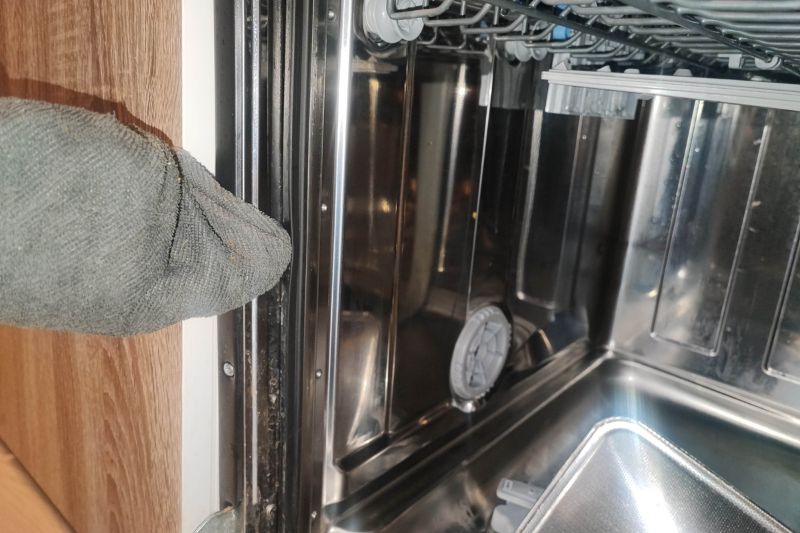
Here’s the area most dishwasher owners never think to clean: the door edges, the rubber gasket seal, the bottom lip of the door, and the area around the hinges. During a normal wash cycle, water cleans the interior tub, but it rarely reaches the door edges, the gasket folds, or the narrow gap where the door meets the tub. Food splatter, grease, and moisture collect in these hidden spots, and they’re often the actual source of that “dishwasher smell.”
Time needed: 10-15 minutes
Materials: 1 cup240 g baking soda, old toothbrush or small cleaning brush, damp cloth, dish soap, rubber gloves
Best for: Visible grime on door edges, musty smell that persists after a vinegar cycle, dark residue in gasket folds
Part A: Manual Door and Gasket Clean
- Open the dishwasher door fully.
- Put on rubber gloves.
- Dip a damp cloth or old toothbrush in a small amount of dish soap.
- Wipe down the rubber gasket that runs along the inside edge of the door. Pull back any gasket folds gently and clean underneath: this is where dark, slimy buildup tends to hide.
- Clean the top edge and sides of the dishwasher door, the narrow area between the door and the tub opening that water doesn’t reach during a cycle.
- Clean the bottom of the door interior, including the hinge area. Food particles often accumulate in the narrow channel at the bottom.
- Wipe the area around the detergent dispenser.
- Rinse your cloth and wipe all cleaned areas again with plain water to remove soap residue.
Part B: Baking Soda Freshening Cycle
- After completing the manual clean above (and ideally after a vinegar cycle: not in the same cycle), sprinkle 1 cup240 g of baking soda across the bottom of the empty dishwasher.
- Run a short hot water cycle. Do not add detergent.
- When the cycle completes, open the door. The interior should smell noticeably fresher.
Why separate cycles? Vinegar (acidic) and baking soda (alkaline) neutralize each other when combined: the dramatic fizzing looks like it’s doing something, but the end product is mostly water and sodium acetate. Used separately, vinegar dissolves minerals and baking soda absorbs odors and provides mild abrasive cleaning. Two targeted cycles outperform one combined cycle.
Why this works: Manual cleaning removes grime from areas the wash cycle can’t reach. Baking soda absorbs odor-causing compounds rather than masking them, and its mild abrasiveness helps loosen residue from the tub floor and walls during the cycle.
Limitations: The manual clean only addresses surfaces you can see and reach. Buildup inside hoses or the pump housing requires the vinegar cycle or professional service. Baking soda won’t dissolve mineral deposits: that’s vinegar’s job.
Method 4: Deep Clean (Spray Arms, Racks, and Drain Area)
If you’ve cleaned the filter, run a vinegar cycle, and scrubbed the door, and the dishwasher still isn’t performing well, the spray arms and drain area are the next places to check. Clogged spray arm holes are a common but overlooked cause of poor cleaning performance, and debris in the drain area can cause slow draining and odors.
Time needed: 15-20 minutes
Materials: Toothpick or thin wire (paperclip works), old toothbrush, warm soapy water, rubber gloves, soft cloth
Best for: Poor cleaning despite a clean filter, spray arms that don’t spin freely, slow draining, comprehensive periodic maintenance
Spray Arms
- Remove the bottom dish rack.
- Locate the spray arms: most dishwashers have one at the bottom and one under the top rack. Some have a third at the top of the tub.
- Remove the spray arms. Most detach by twisting the center cap counterclockwise or by pulling up and unclipping. Check your owner manual if unsure.
- Hold each spray arm under running water and inspect the small holes along the arms. You’ll likely see mineral deposits or food particles blocking some of them.
- Use a toothpick, thin wire, or unfolded paperclip to clear each blocked hole. Push through gently: you’re removing buildup, not enlarging the holes.
- Rinse the spray arms thoroughly under running water, shaking to clear any loosened debris from inside.
- Reattach the spray arms and spin them by hand to confirm they rotate freely.
Drain Area
- With the filter removed, look into the filter housing and the drain area at the bottom of the tub.
- Remove any visible debris: food particles, broken glass, or small items that may have fallen through.
- Wipe the area with a damp cloth to remove any film or residue.
- Replace the filter.
Racks (Optional)
- If the racks have visible buildup or rust spots, slide them out and scrub with warm soapy water and a soft brush.
- Check rack wheels and rollers for debris that prevents smooth sliding.
- If rack tines have rust, rack repair paint (available at most hardware stores) can prevent further deterioration.
Why this works: Spray arms need unobstructed holes to distribute water evenly. Even a few clogged holes change the spray pattern, leaving some dishes in “dead zones” that water doesn’t reach. Cleaning the drain area removes debris that could cause slow draining or recirculating odors.
Limitations: If spray arms are cracked, warped, or won’t spin freely after cleaning, they may need replacement; this is a common wear item. If the drain area has standing water that won’t clear, the issue is likely in the drain hose or pump, which requires professional attention.
Preventing Future Buildup
A clean dishwasher is easier to maintain than to rescue. These habits take minimal effort and significantly reduce how often you need to deep clean.
After Every Load
- Scrape dishes before loading; don’t pre-rinse. Remove large food pieces (bones, seeds, thick sauces) but don’t pre-rinse dishes. Modern dishwasher detergent needs some food residue to activate properly. Scraping is enough.
- Leave the door slightly ajar after a cycle. This lets moisture escape and prevents the warm, damp environment where bacteria and mold thrive. Even 1-2 inches3-5 cm open makes a significant difference.
Weekly
- Clean the filter. Takes 3 minutes. Based on Bosch and Whirlpool guidance, cleaning every 1-2 weeks is recommended depending on usage. If you run the dishwasher daily, lean toward weekly.
- Wipe the door gasket and edges. A quick wipe with a damp cloth prevents the slow buildup that eventually requires scrubbing.
Monthly
- Run a vinegar wash cycle. One empty cycle with 2 cups480 ml of vinegar keeps mineral deposits from accumulating and freshens the interior. In areas with very hard water, you may benefit from running this every two weeks.
- Check spray arm holes. A quick visual inspection takes 30 seconds: if you see white deposits forming, clear them before they fully block the nozzles.
What to Avoid
- Overloading: Blocked spray arms mean partially cleaned dishes and more residue left in the machine.
- Using too much detergent: More detergent doesn’t mean cleaner dishes. Excess detergent leaves residue on dishes and inside the machine. Follow the manufacturer’s recommendation for your water hardness level.
- Skipping rinse aid: Rinse aid helps water sheet off dishes during the drying cycle, reducing water spots and mineral deposits. It also helps the interior dry faster, reducing moisture that leads to odors.
When to Call a Professional
Most dishwasher cleaning is straightforward DIY. But some situations signal a problem that cleaning can’t fix.
Call an appliance technician if:
- The odor persists after a complete cleaning cycle. If you’ve cleaned the filter, run a vinegar cycle, and scrubbed the gasket and it still smells, the source may be inside the drain hose or pump housing, areas you can’t access without disassembly.
- Water doesn’t drain after a cycle completes. Standing water at the bottom after the cycle finishes usually indicates a clogged drain hose, a faulty drain pump, or an issue with the garbage disposal connection (if your dishwasher drains through one). Check our guide on how to clean a garbage disposal first, as a clogged disposal can prevent your dishwasher from draining properly.
- Water leaks from the door or base. This typically indicates a worn door gasket, a faulty door latch, or a damaged hose connection, all replacement issues, not cleaning issues.
- The dishwasher makes grinding, humming, or clicking noises. Unusual sounds during a cycle can indicate a foreign object in the pump, a failing motor, or worn bearings.
- The dishwasher won’t start or stops mid-cycle. This is an electrical or control board issue, not a maintenance issue.
- Rust inside the tub. If the stainless steel interior or the rack coating is deteriorating, cleaning won’t help. The tub may need replacement or the racks may need rack tine repair.
- The dishwasher is more than 10 years old and performance is steadily declining. Dishwashers have a typical lifespan of 10-15 years. If yours is aging and multiple components aren’t performing well, replacement may be more cost-effective than repeated repairs.
Frequently Asked Questions
How often should I clean my dishwasher?
Clean the filter every 1-2 weeks, wipe the door gasket weekly, and run a vinegar wash cycle once a month. This takes minimal time and prevents most performance and odor issues. If you use the dishwasher daily or have hard water, lean toward the more frequent end of these ranges. Based on guidance from Bosch and Whirlpool, regular filter cleaning is the single most important maintenance step.
Can I use bleach to clean my dishwasher?
It depends on your dishwasher’s interior. If you have a plastic tub interior, a small amount of bleach (placed in the detergent cup and run on an empty hot cycle) can help with mold and bacteria. However, if your dishwasher has a stainless steel interior, do not use bleach. Bleach can discolor and damage stainless steel. Check your owner’s manual. In most cases, the vinegar cycle method in this guide is safer and sufficient.
Why do my glasses come out cloudy?
Two common causes. First, hard water mineral deposits: calcium and lime leave a white film that builds up over time. A vinegar wash cycle can dissolve existing deposits, and using rinse aid regularly helps prevent new ones. Second, etching: permanent damage from too-hot water, overly aggressive detergent, or soft water combined with too much detergent. Etching appears as a rainbow sheen and cannot be reversed. If your cloudy glasses feel smooth and don’t clear up with vinegar, etching is the likely cause.
Do I need to pre-rinse dishes before loading?
Generally, no. Scrape off large food pieces, but skip the pre-rinse. Modern dishwasher detergents contain enzymes that need some food residue to activate properly: a completely clean plate can actually reduce cleaning effectiveness. Pre-rinsing also wastes water. That said, if food has dried and hardened on a dish (left out overnight, for example), a quick rinse helps the dishwasher handle it more effectively.
Can I run vinegar and baking soda at the same time?
You can, but it’s less effective than using them separately. Vinegar (acid) and baking soda (base) neutralize each other when combined, producing mostly water and sodium acetate. The fizzing looks impressive but has minimal cleaning power. For the best results, run a vinegar cycle first to dissolve mineral deposits, then follow with a baking soda cycle to deodorize, as two separate cycles.
My dishwasher drains through the garbage disposal. Does that matter?
Yes: if your garbage disposal is clogged or has buildup, it can prevent the dishwasher from draining properly, causing standing water and odors. If you notice drainage issues, check and clean the garbage disposal first. Our guide on how to clean a garbage disposal covers this step by step. Also make sure the knockout plug was removed when the disposal was installed, a common oversight that blocks the dishwasher drain connection entirely.
What’s the black gunk around my dishwasher door?
That’s typically a combination of food residue, grease, and mold growing in the moisture that collects around the door gasket and edges. The wash cycle doesn’t reach these areas, so they need manual cleaning. Method 3 covers this. To prevent it, wipe the gasket weekly and leave the door slightly open after each cycle to let moisture escape.
Is it normal for a dishwasher to smell?
A mild, warm smell immediately after a cycle is normal. A persistent musty, sour, or “wet dog” smell is not: it indicates trapped food debris, bacteria, or mold somewhere in the system. The most common sources are the filter, the door gasket folds, and stagnant water in the drain area. Work through the methods in this guide starting with the filter, and the smell typically resolves.
Conclusion
A dishwasher is one of those appliances that’s easy to take for granted: you load it, press start, and expect clean dishes. When it stops delivering, the fix is usually simpler than you think.
We covered four methods, each targeting a different part of the problem:
- Filter clean: The highest-impact single step; fixes most “dishes aren’t clean” complaints (3-5 minutes)
- Vinegar wash cycle: Dissolves mineral deposits and deodorizes the full system (hands-off, 1-2 hours)
- Baking soda scrub + door/gasket clean: Targets the hidden areas the wash cycle misses (10-15 minutes)
- Deep clean: Clears spray arm clogs and drain area debris for comprehensive maintenance (15-20 minutes)
Start with the method that matches your specific problem: the decision table can point you in the right direction. For prevention, the two highest-impact habits are cleaning the filter weekly and leaving the door ajar after each cycle. Those two things alone can prevent most dishwasher odor and performance issues.
Have questions about your dishwasher, or a cleaning tip that’s worked well for you? We’d love to hear from you: visit our contact page or learn more about HomeNerdy.