
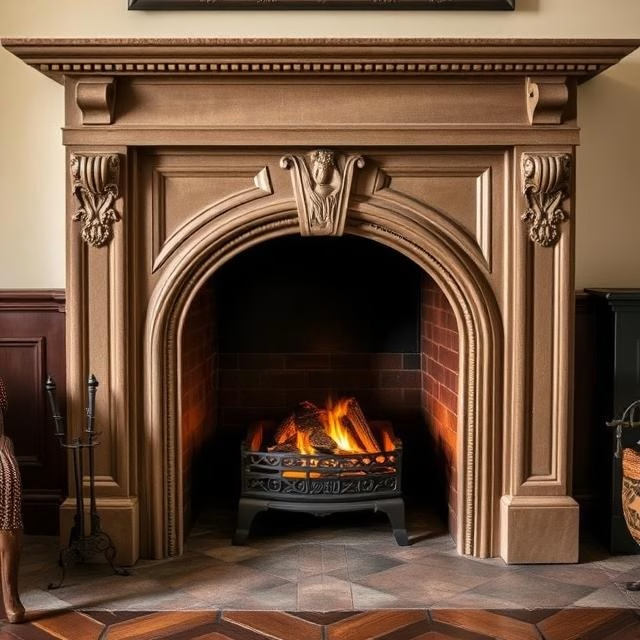
A fireplace grate does one job that matters more than how it looks: it lifts the fire off the floor so air can get underneath. A fire that breathes from below burns hotter and cleaner, and the EPA’s guidance for wood burning comes down to exactly that: hot fires with dry wood make less smoke. The grate is the cheapest part of that equation, and picking the right type is mostly about how often you burn and what you want from the fire.
This guide covers what a grate does, cast iron versus steel, the special designs (vertical, self-feeding and heater grates), how to choose one for your fireplace, and the burning and safety habits that make any grate work as intended.

About this guide: Written by Joe Carrow, who covers home equipment at HomeNerdy. This article was last reviewed in October 2026 and follows our editorial standards: we prioritize safety, reference authoritative sources and state our limitations plainly.
How we develop our guides: This guide is research-led. The burning and safety guidance comes from the EPA’s Burn Wise program and the U.S. Fire Administration. We have not tested specific grates, and this guide does not recommend individual products.
Scope: Grates for standard open, wood-burning masonry fireplaces. It does not cover gas fireplaces, fireplace inserts, wood stoves or chimney repair. If you see cracks in the firebox, heavy creosote or smoke coming into the room, have a professional inspect the fireplace before the next fire.
Quick Summary (TL;DR)
Why a grate: it raises the logs so air reaches the fire from below, which helps it burn hot. The EPA says hot fires with dry wood produce less smoke.
Cast iron or steel: cast iron is heavier and holds heat; steel is lighter and cheaper. Frequent burners usually lean toward heavier construction.
Special grates: vertical grates (often with a fireback), self-feeding grates for longer burns, and heater grates that add forced air for extra heat.
Size it to the firebox: measure the back and front width and the depth before you buy; the grate should sit well inside the firebox, not against the opening.
Safety still matters more than the grate: a screen, dry wood, an annual chimney inspection, and ashes in a lidded metal container outside.
Safety First: Read Before You Light
From the U.S. Fire Administration
- Keep anything that can burn at least 3 feet90 cm from the fireplace.
- Keep a glass or metal screen in front of the fireplace to stop embers and sparks.
- Have your chimney inspected and cleaned each year by a professional.
- Put ashes in a metal container with a lid and place it outside, at least 10 feet3 m from the home.
See the USFA fireplace and wood stove safety card.
From the EPA
- Do not start a fire with gasoline, kerosene or charcoal starter; use newspaper, dry kindling or natural fire starters.
- Do not burn trash, cardboard, painted or treated wood, plywood or particle board; they can release toxic chemicals.
- Keep a fire extinguisher handy.
Carbon monoxide
Wood fires produce carbon monoxide. Have working CO alarms in the home, and if smoke spills into the room rather than going up the chimney, put the fire out safely and have the chimney checked before using it again.
Stop and call a chimney professional if
- Smoke comes into the room during a normal fire.
- You see cracked firebrick, gaps in the mortar, or heavy black buildup in the flue.
- The fireplace has not been inspected in over a year.
What a Fireplace Grate Does
- Airflow from below. Logs lying flat on the hearth smother their own undersides. Raised on a grate, they get air from all sides, which helps the fire burn hot. The EPA’s guidance is to build hot fires, because a smoldering fire is neither safe nor efficient.
- Easier lighting. Kindling and newspaper go underneath, where the flame rises into the logs.
- Easier ash removal. Ash falls through the grate, so you can clear it without moving the logs.
- Logs stay put. A grate keeps burning logs in place in the firebox rather than rolling toward the opening.
- Less wear on the hearth floor. The fire sits above the firebrick rather than directly on it.

Cast Iron vs Steel
| Cast iron | Steel (bar or tube) | |
|---|---|---|
| Weight | Heavy | Lighter, easier to move |
| Heat behavior | Holds heat longer | Heats and cools faster |
| Under heavy use | Rigid; can crack if struck or shocked with water when hot | Can sag or warp over time; thicker bar stock lasts longer |
| Cost | Usually higher | Usually lower |
| Best for | Frequent fires, a grate you want to leave in place | Occasional fires, tighter budgets |
How long either lasts depends far more on how often you burn and how hot than on the label, so treat lifespan claims on product pages with caution. Whatever the material, heavier construction generally holds up better than thin bars.
Special Grate Designs
Vertical grates and firebacks
Instead of holding logs flat, a vertical grate stands them against the back of the firebox. Many are sold with, or used alongside, a fireback: a heavy metal plate at the rear of the firebox that reflects heat into the room and shields the back wall. Enthusiasts like them for the view of the fire.

Self-feeding grates
The bars slope so logs roll toward the center as the fire burns down, keeping the burn going with less tending. Useful if you burn for long evenings.

Heater grates
Hollow tube grates paired with a fan that circulates air through the tubes and back into the room. They are the most expensive and most involved option: the fan needs power, and the installation has to keep its cord and unit safely away from the fire. Worth considering only if you rely on the fireplace for heat; follow the manufacturer’s installation instructions exactly.

Quick Decision Table
| How you use the fireplace | Grate type to consider | Watch out for |
|---|---|---|
| A few fires a year | Steel bar grate | Thin bars that sag |
| Fires most weekends in winter | Cast iron or heavy steel | Fit: it must sit well inside the firebox |
| Long evening burns with little tending | Self-feeding grate | Do not overload it |
| You want the look of the fire and more reflected heat | Vertical grate with a fireback | Fireback size versus firebox |
| The fireplace is a real heat source | Heater grate | Power cord routing and installation instructions |
How to Choose the Right Size
- Measure the firebox: the width at the front opening, the width at the back wall (most fireboxes taper), and the depth from front to back.
- Compare with the grate’s dimensions as listed by the maker: front width, back width and depth.
- Leave clearance. The grate should sit well back in the firebox with space around it, not touching the side walls or reaching toward the opening; follow the grate maker’s sizing guidance.
- Check the height against the opening, so logs stacked on the grate stay below the lintel and the flames stay inside the firebox.
The Part Most Guides Skip: The Wood Matters More Than the Grate
A grate helps a fire breathe, but wet wood smokes on any grate. The EPA’s Burn Wise guidance is specific (see EPA best wood-burning practices):
- Season wood for at least six months, stored outdoors, off the ground, with only the top covered.
- Burn wood below 20 percent moisture. A wood moisture meter checks it in seconds.
- Start with newspaper, dry kindling or natural fire starters, not accelerants.
- Build hot fires rather than letting them smolder.
- Check the local air quality forecast before you burn.
Common Mistakes to Avoid
- Buying by the opening width alone. Fireboxes taper; measure the back wall and the depth too.
- Burning wet or green wood. The EPA says wood should be under 20 percent moisture; wet wood smokes regardless of the grate.
- Overloading the grate. A grate piled high pushes flames toward the opening.
- Dumping hot ashes in a bin or bag. USFA: a lidded metal container, outside, at least 10 feet3 m from the house.
- Skipping the annual chimney inspection. USFA recommends a professional inspection and cleaning every year.
Frequently Asked Questions
Do I really need a fireplace grate?
You can burn without one, but a grate lifts the logs so air reaches the fire from below, which helps it burn hot. The EPA’s guidance is that hot fires with dry wood produce less smoke.
Cast iron or steel: which should I choose?
Cast iron is heavier and holds heat; steel is lighter and usually cheaper. For frequent fires, heavier construction generally holds up better; for occasional fires, a sturdy steel bar grate is often enough.
What is a fireback, and do I need one?
A fireback is a heavy metal plate at the back of the firebox that reflects heat into the room and shields the rear wall. It is optional, and pairs well with a vertical grate.
Are heater grates worth it?
Only if you rely on the fireplace for heat. They cost more and need power and careful installation.
How do I dispose of fireplace ashes safely?
Put them in a metal container with a lid and store it outside, at least 10 feet3 m from the home, as the U.S. Fire Administration advises.
Conclusion
The right grate is the one that fits your firebox and your habits: steel for occasional fires, cast iron or heavy steel for frequent ones, and the special designs if you want reflected heat, longer unattended burns or real heating. But the grate only helps a fire that can burn hot. Dry wood under 20 percent moisture, a screen, an annual chimney inspection and ashes stored safely outside do more for safety and smoke than any grate on its own.
Questions? Visit our contact page or read more about HomeNerdy.