

Cleaning an oven can be challenging. It’s physically hard because of the uncomfortable position you need to be in while scrubbing the grease and filth out of the oven. As a solution, many manufacturers added a self-cleaning feature to their ovens. However, this technology has consumers divided. In this article, we explain how to clean a self-cleaning oven without using the self-cleaning function.
About this guide: Compiled by the HomeNerdy Editorial Team, this article was last reviewed in September 2026.
Scope: This guide covers manually cleaning a self-cleaning oven, including the racks and interior, without running the appliance’s built-in self-clean cycle.
Why Not Just Use the Self-Cleaning Function?
There are multiple types of self-cleaning ovens. The most common and most effective variant heats the oven to around 800°F for three to five hours during the self-cleaning cycle. As a result, grease and filth are burnt to ash and separated from the inner parts of the oven, and the oven can then be wiped clean.
Reasons some people avoid the self-cleaning function:
- Air pollution in the kitchen
- Damage to the heating element
- Problems with the wiring
- Risk of fire
- Shorter lifespan of the oven
Aside from the air pollution, these failures rarely happen, and plenty of users love the feature. Whether it’s right for you depends on the model, how it was installed, and your own tolerance for the smoke and smell. Read up on the topic before making an educated decision either way.
Clean a Self-Cleaning Oven Manually
Requirements: baking soda, dish soap, water, cloth, abrasive sponge, scraper.
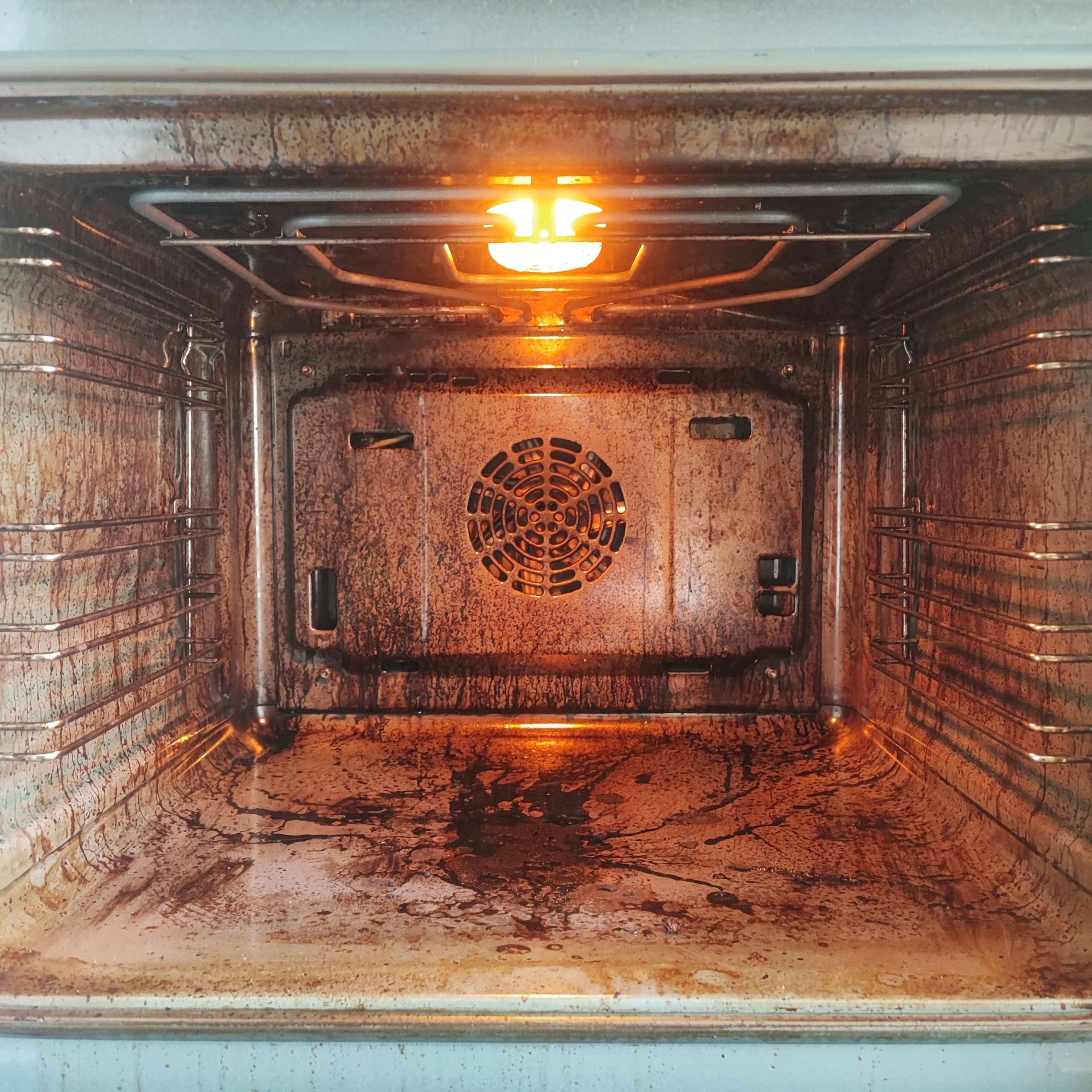
Time to complete: 1–3 hours, depending on how filthy the oven is. The example oven in the photos below took about 3 hours to clean.
Preparing to Clean a Self-Cleaning Oven
Before you start cleaning, make sure the oven is cool and turned off.
Nerdy Tip: Your oven door may be removable. If so, remove it now for convenience: look for handles on the door hinges, or check the manual.

Remove the racks from the oven and let them soak in hot water with dish soap. A bathtub works well for this; otherwise use the sink or a bucket. If a rack doesn’t fit entirely, put it in vertically and flip it halfway through soaking. If there’s a lot of loose debris in the bottom of the oven, run a vacuum through it first.
Scrub With Baking Soda
Create a baking soda paste and apply it to the inside of the oven and the oven door. Use a cloth to scrub the entire oven and door, avoiding the heating elements as much as possible.


Once you’re finished, remove the baking soda with warm water, dish soap, and a cloth. At this point the oven doesn’t need to be perfectly clean yet, so don’t worry about any remaining burnt black spots.
Scrape Black Stains Off
The bottom is the hardest part of most ovens to clean, and a self-cleaning oven is no different. Food dropped on the bottom often gets burnt in, making it difficult to remove. A scraper works wonders here: carefully scrape the black spots off, taking care not to scratch the oven itself. If the scraper doesn’t fully finish the job, repeat the baking soda and scraping steps.
Also read: The Best Panini Press | Expert Analysis: another appliance that’s notorious for making a mess of the oven.

Clean the Oven Racks
Return to the oven racks left soaking earlier. The grease should now come off easily with a cloth or sponge. Stubborn spots can be overcome with some wire wool.
Final Cleaning
Vacuum any debris on the floor in front of the oven, then wipe down the outside of the oven with a wet cloth and give the floor a final wipe. The self-cleaning oven is now squeaky clean again.


Conclusion
Cleaning a self-cleaning oven manually is hard work that often gets postponed, and a self-cleaning cycle isn’t the right solution for everyone. The steps above let you avoid the self-cleaning function entirely while still getting your oven properly clean.
Frequently Asked Questions
How long does it take to clean a self-cleaning oven manually?
Usually one to three hours, depending on how much buildup you’re dealing with. A very greasy oven can take longer.
Do I need to remove the oven racks first?
Yes. Soak the racks separately in hot, soapy water while you clean the oven’s interior: this softens the grease on the racks so it comes off easily later.
Is it safe to avoid the self-cleaning function entirely?
Yes. Manual cleaning with baking soda and a scraper is a normal, safe alternative. Some people prefer it specifically to avoid the smoke, smell, and heat stress the self-clean cycle puts on the appliance.
What if black spots remain after scrubbing with baking soda?
Use a scraper to carefully lift off any remaining burnt spots, being careful not to scratch the oven’s interior surface. Repeat the baking soda scrub first if the spots are stubborn.